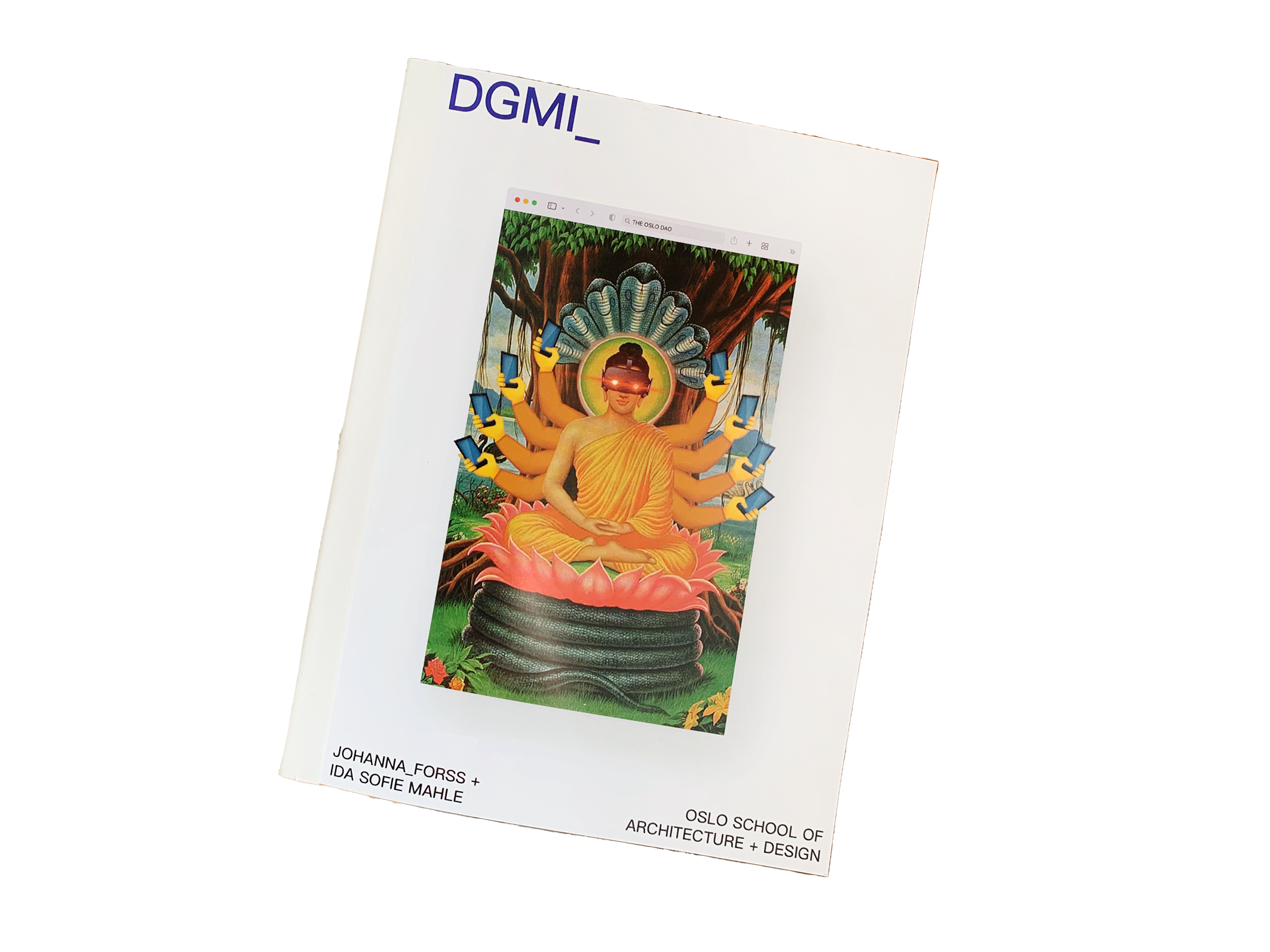
Master in Strategic Design thesis by Johanna Forss and Ida Sofie Mahle
Spring 2024 / 5 months
Supervisors: Henry Stephens - Snøhetta architect
Joakim Formo - AHO strategic design professor
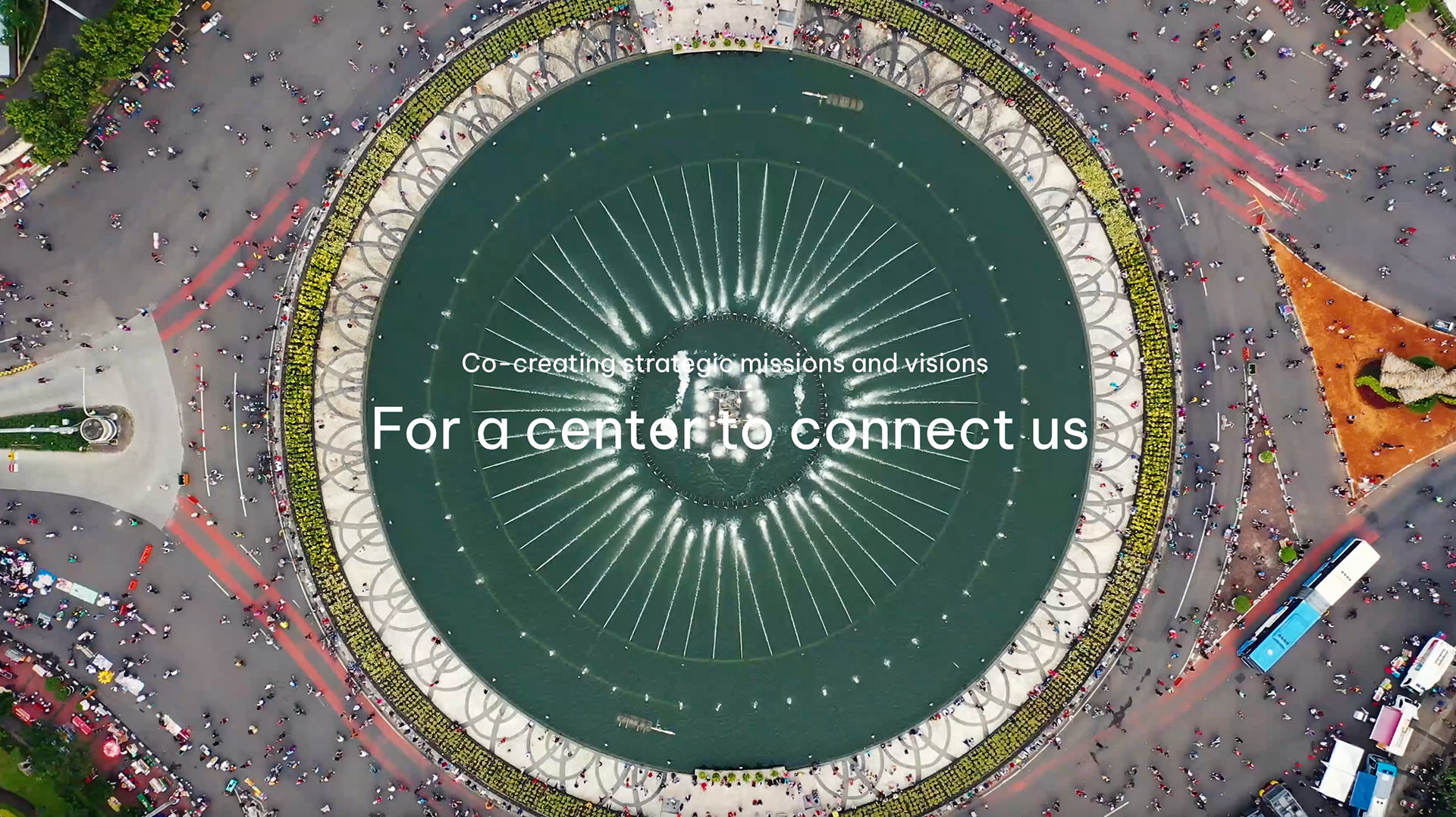
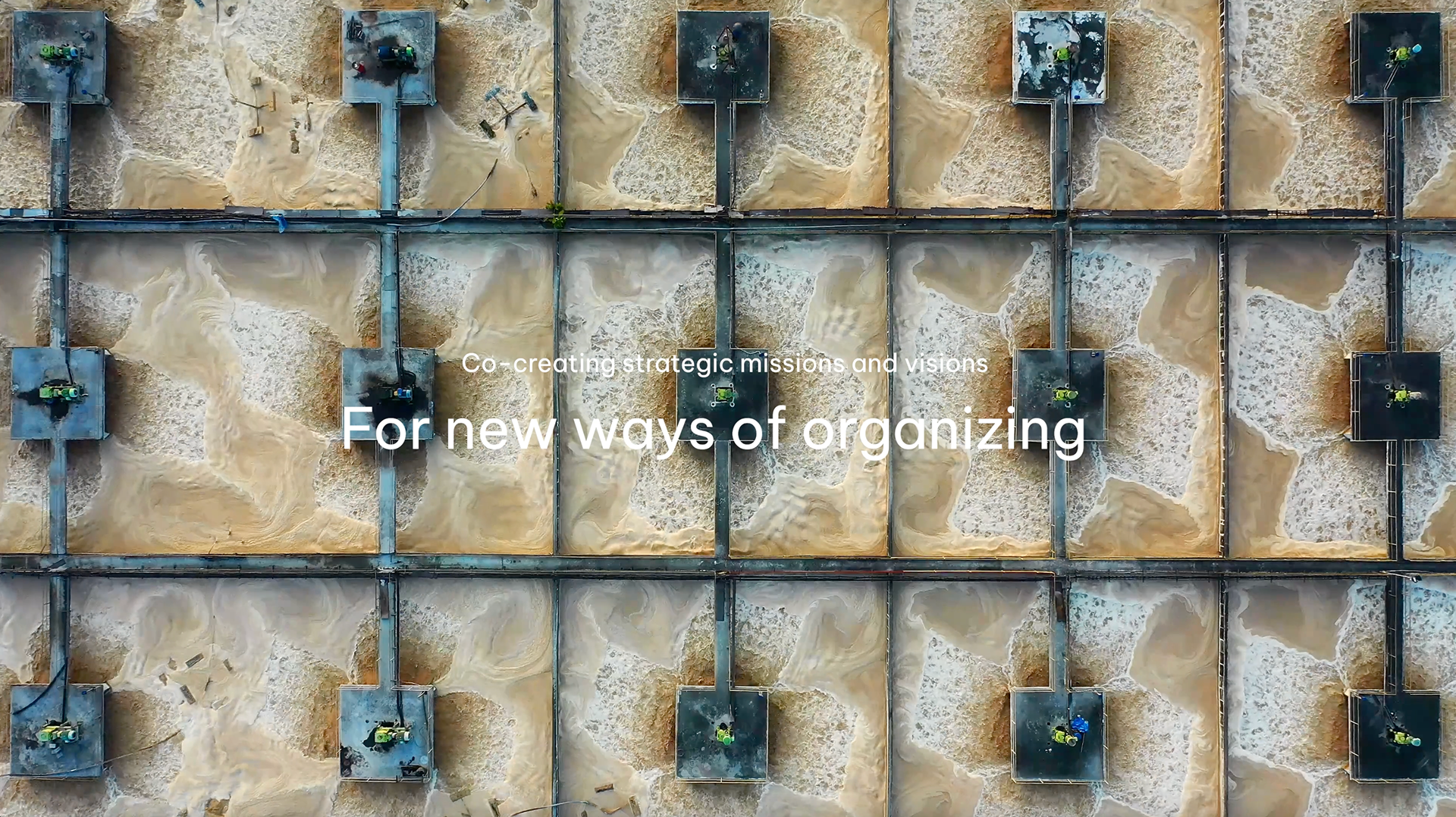
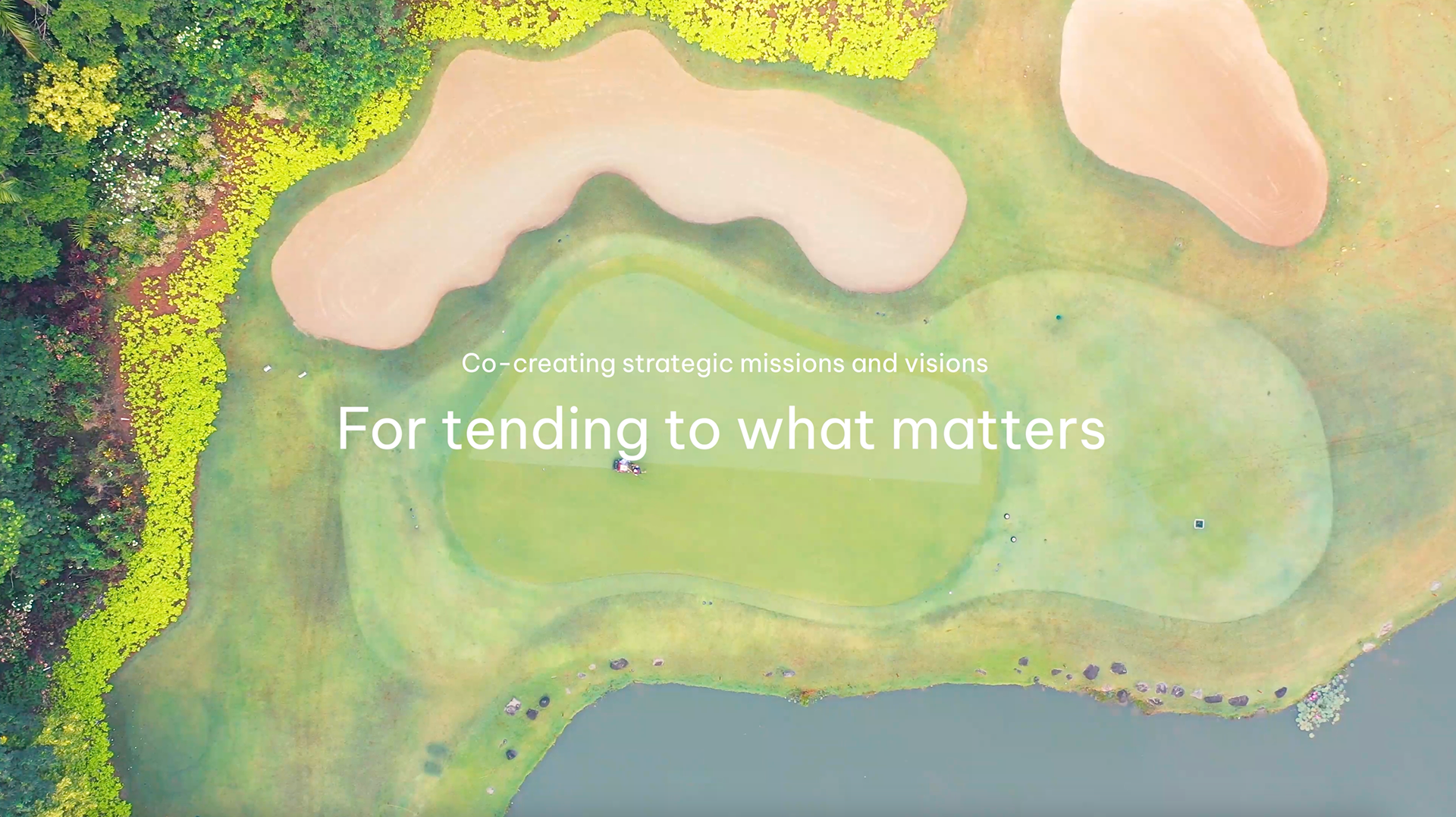
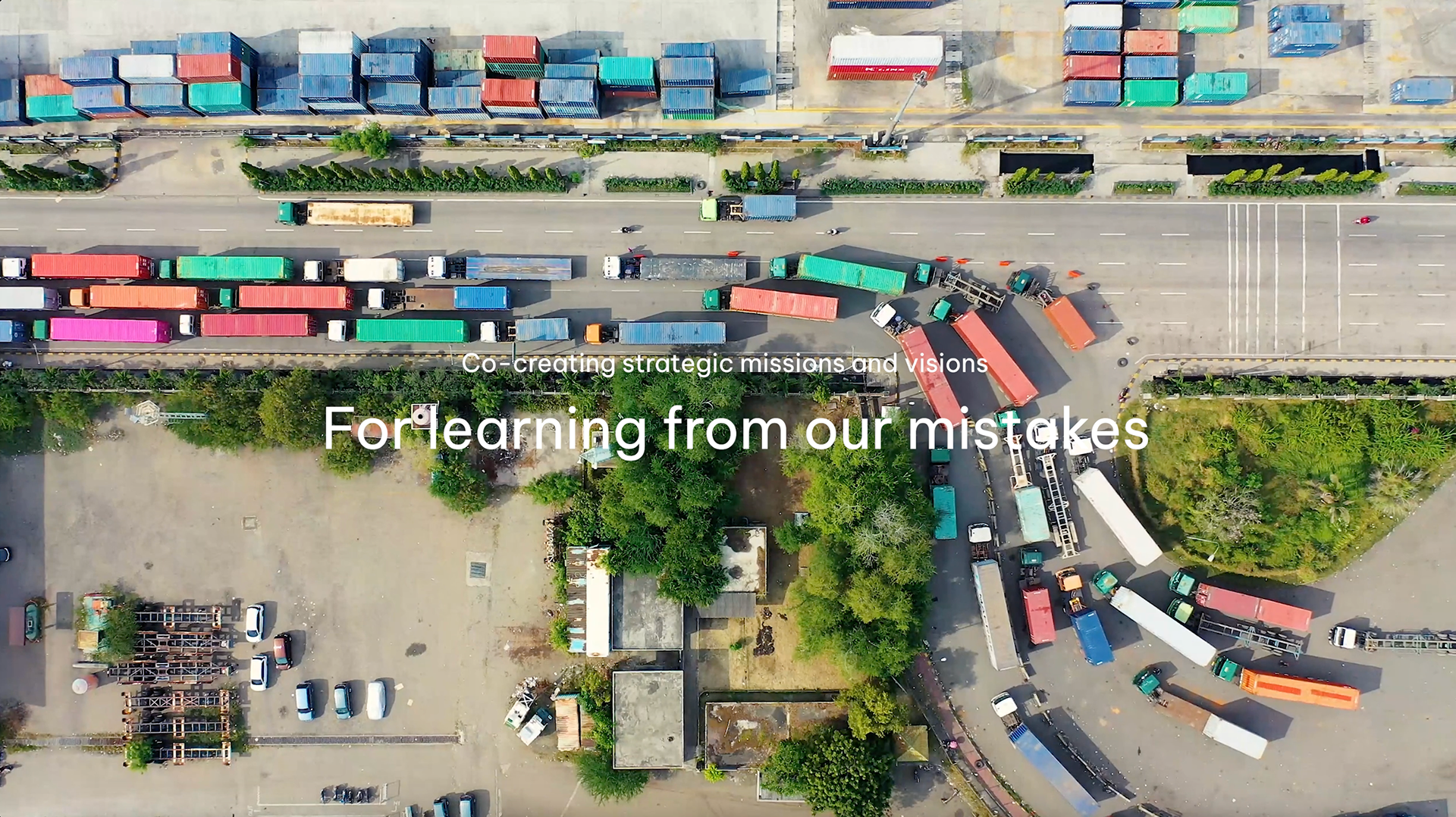
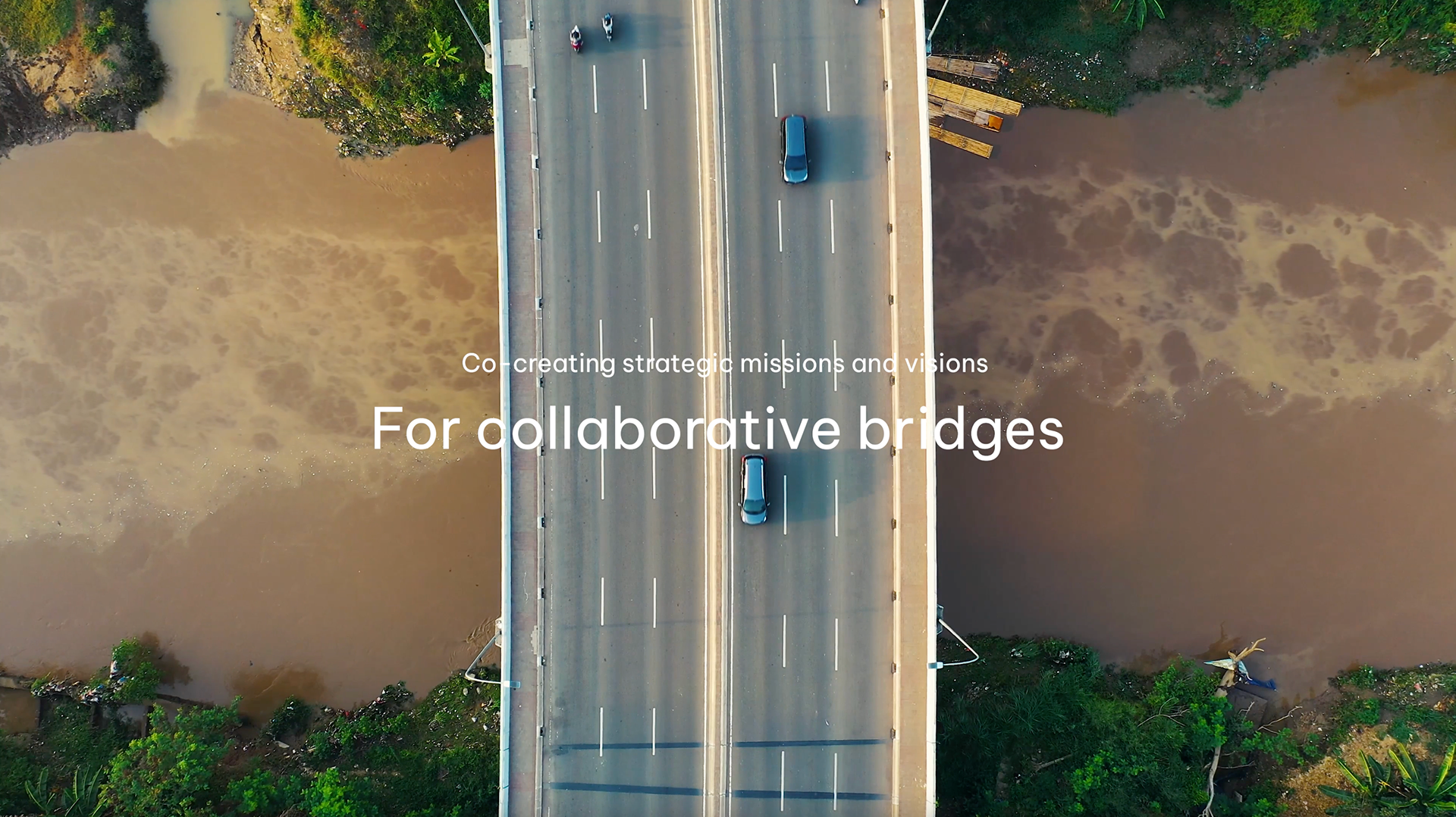
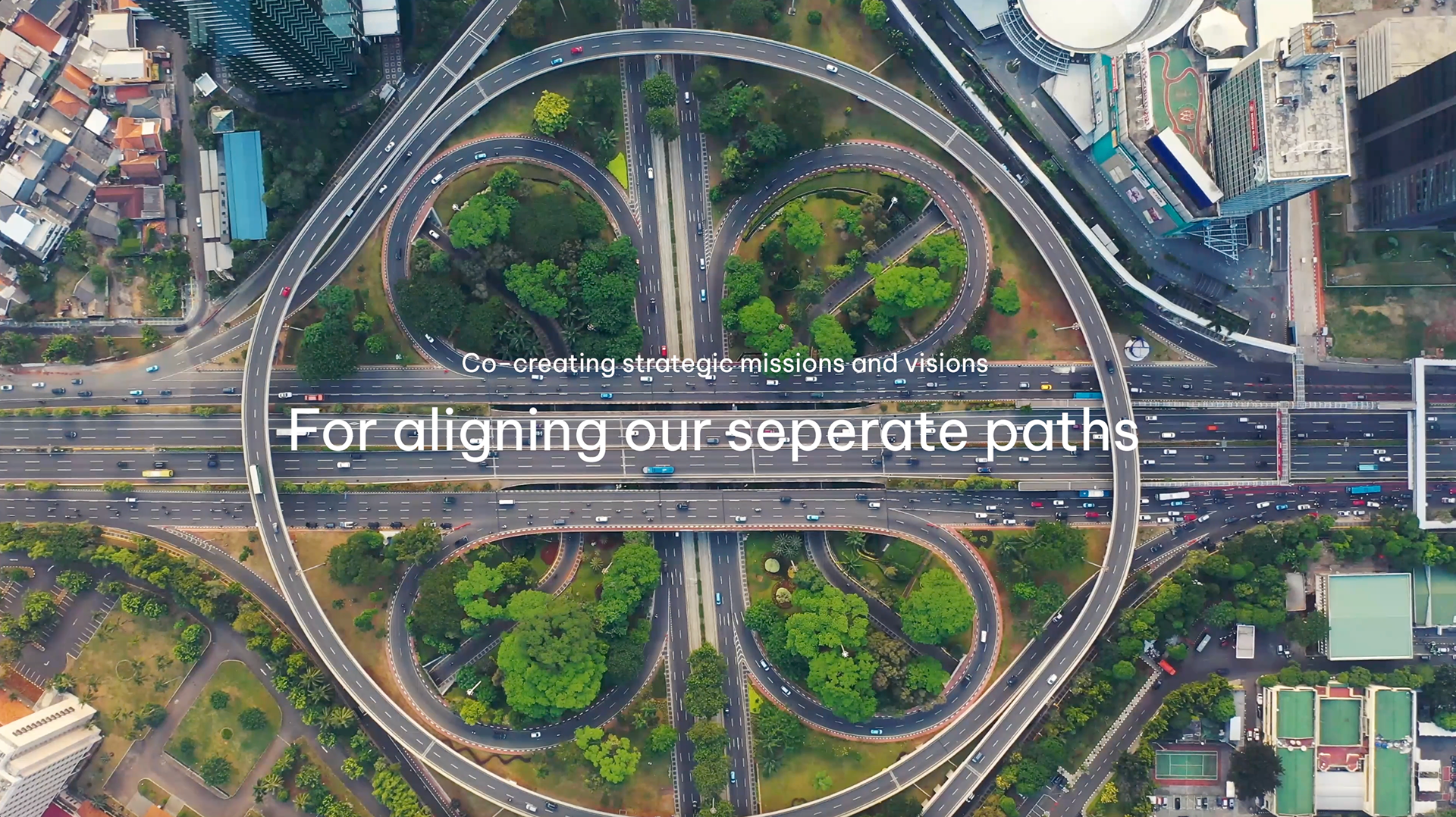
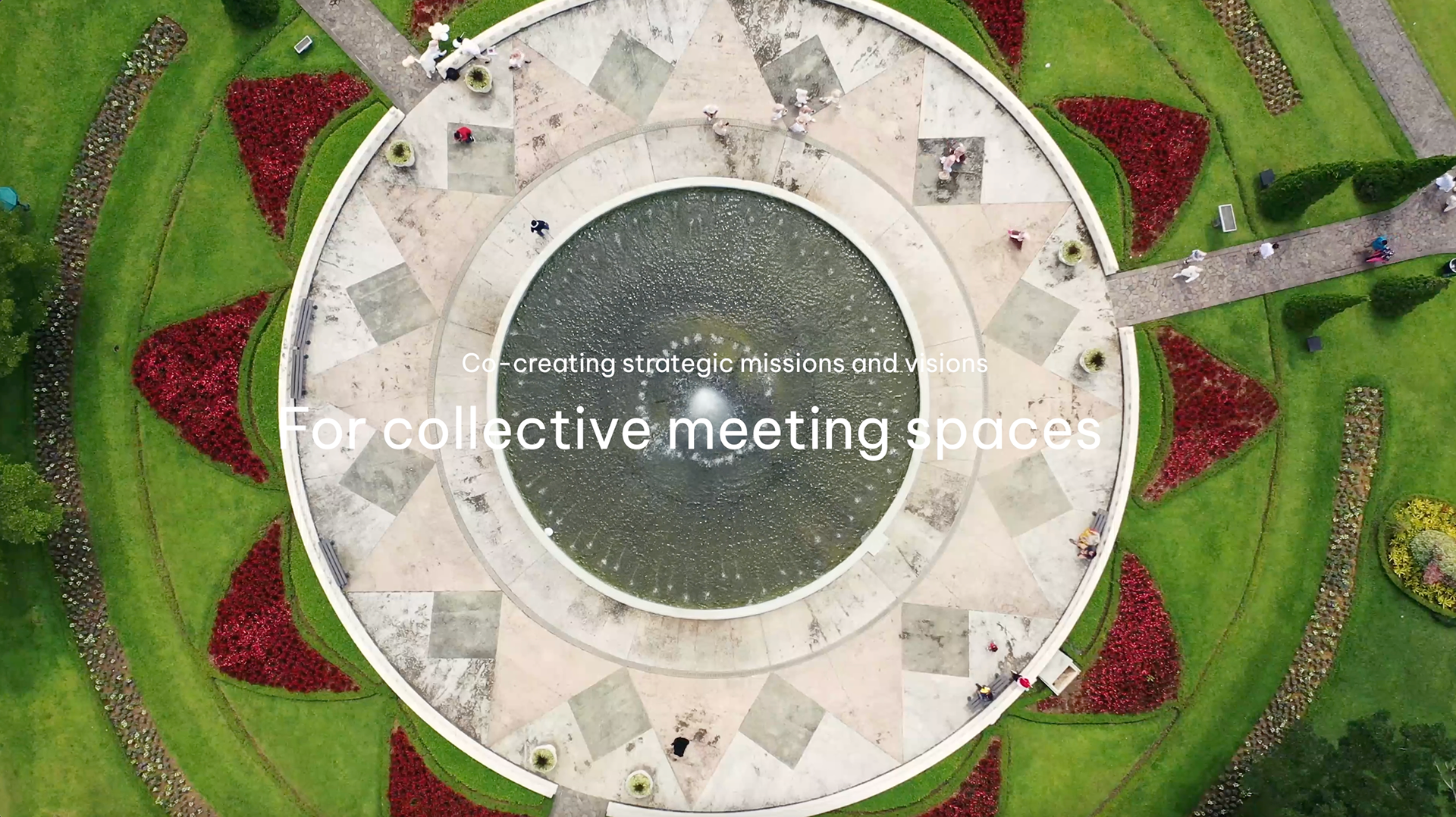
Through our diploma project, we sought to speculatively explore the container within which design is practiced: the potential within the design studio.
Within this context, we wanted to examine how design practices could structure themselves to address complex, planetary challenges on a deeper level. Specifically the challenges that are: 1.) rooted in necessity over desire. 2.) cannot be solved through commercial initiatives alone. 3.) the solution is not straightforward 4.) Problem can't be solved in one lifetime alone or by one group of people.
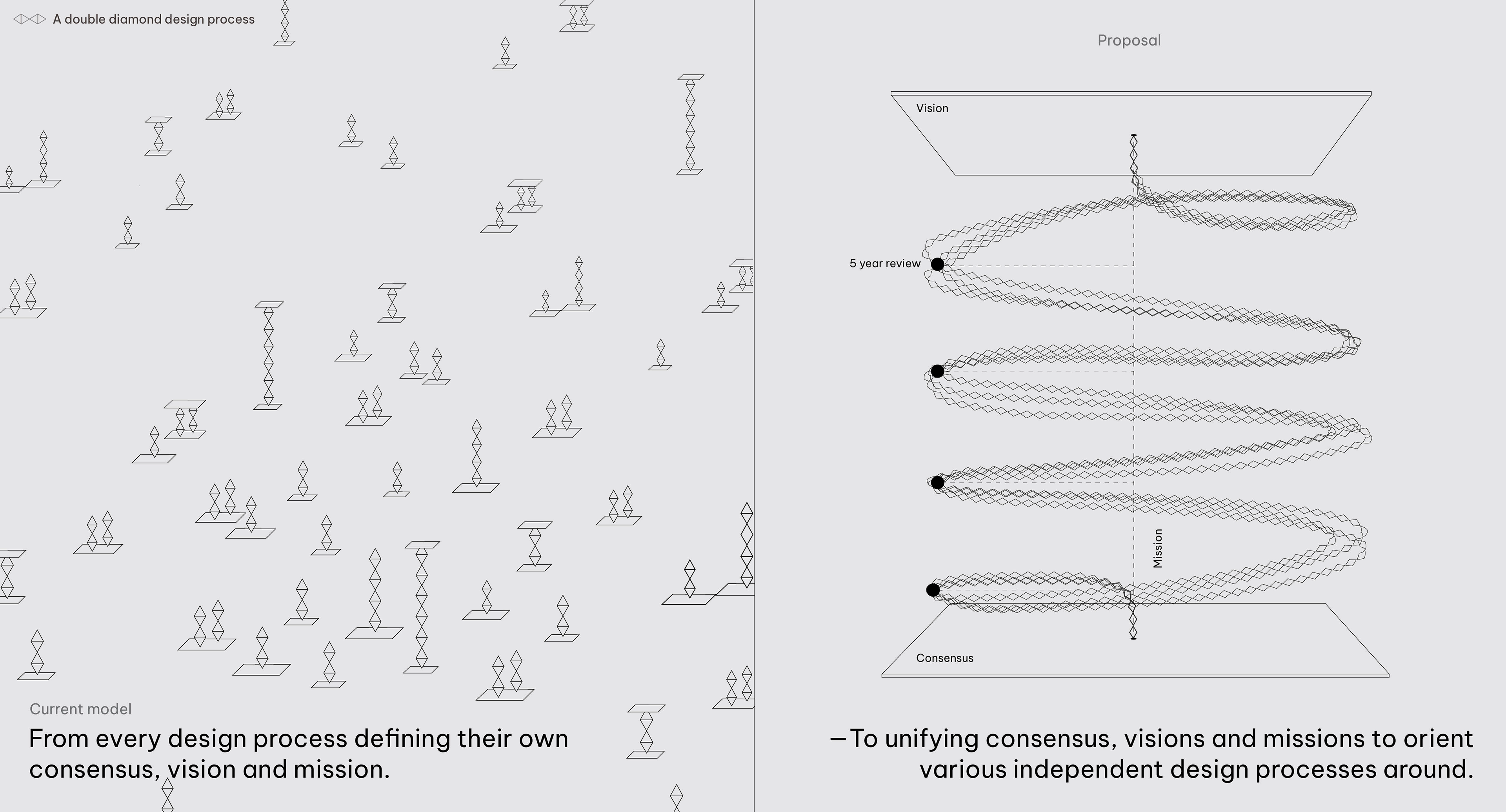
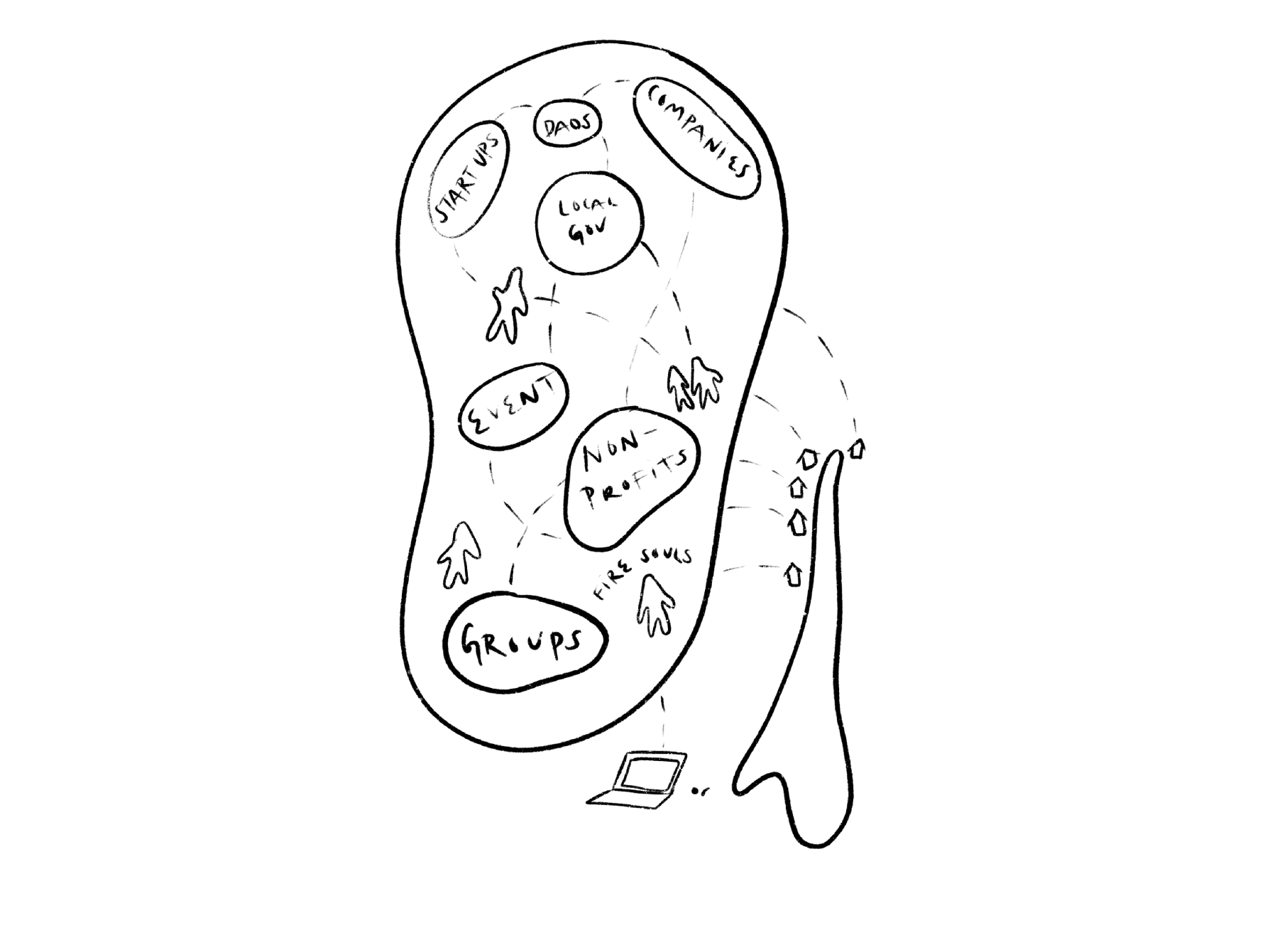
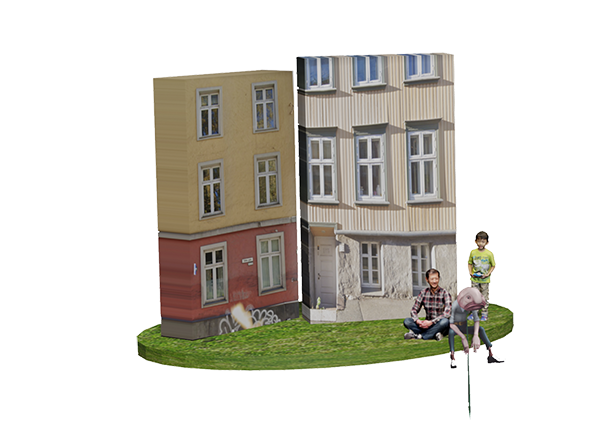
Our final delivery was a framework for within which design processes (symbolised in the image above with the two vertical diamonds, representing the traditional "double diamond" design process) take place, shifting the focus from singular design processes towards our collective understanding of truth, missions, visions and the continued iterative processes.
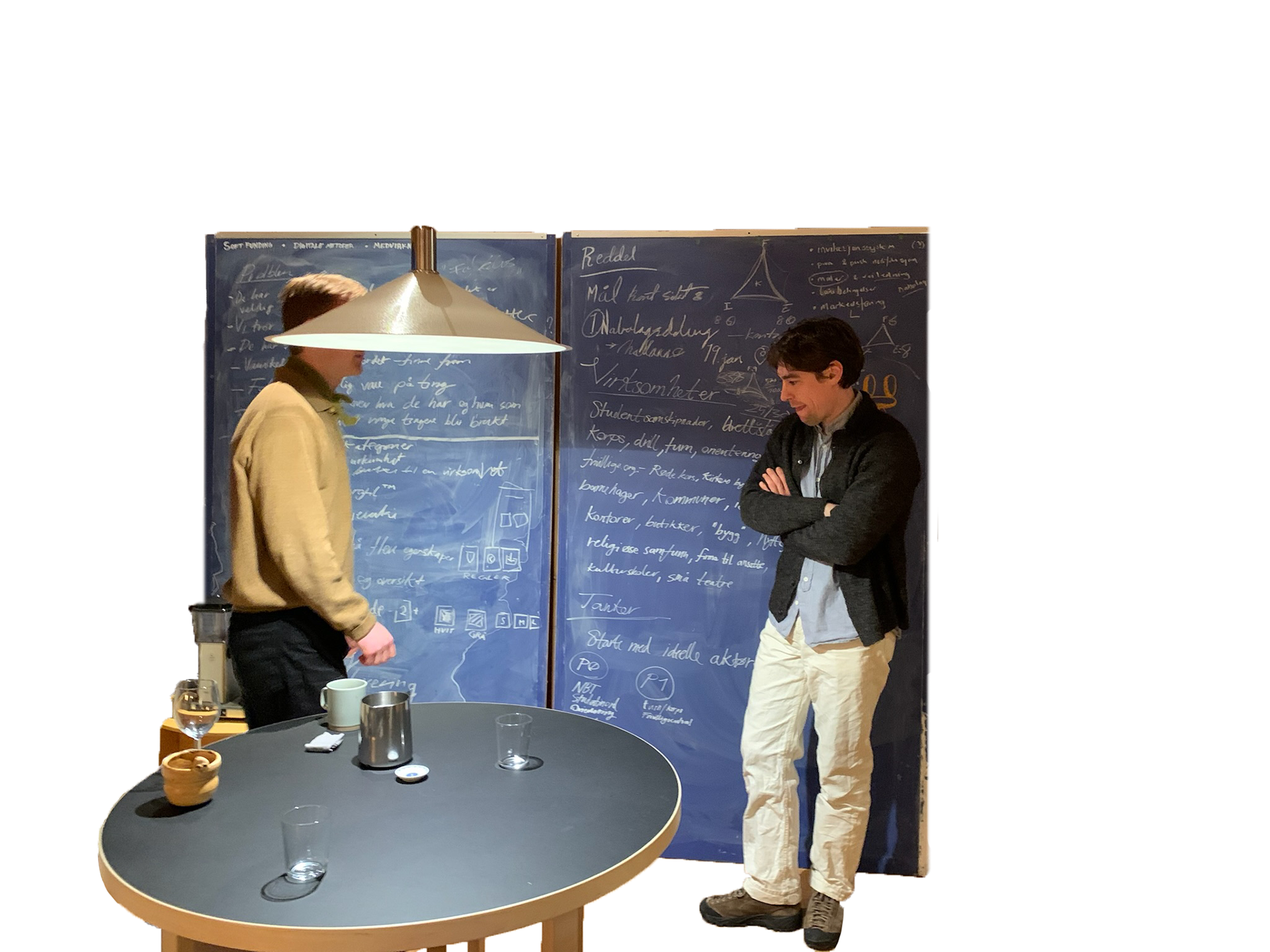
Our process followed four key phases: What is? What if? But how? So what?
First, the "what is?" phase of collecting as much research as possible. This was a very reward phase for us who got to interview with design studios and designers that fascinated and inspired us. In this process we got to talk to Marcus Wendt (founder of Field.io studio), Kim Leskovsky (founder of Iterate), Kai Reaver (Arkitektur Fagsjef at NAL), Studio Plastique, Amelie Dinh (Senior Strategic Advisor at Bakken & Bæck), Christopher Oh (former Snøhetta architect, currently Harvard and MIT landscape architecture student), Edvard Scott (Ex-creative director at Doberman, founder of Here & Now Studio), Lokalt Byrå, Travers, Alberto Soriano (Halogen designer), and Neva Linn Rustad (Blank designer).
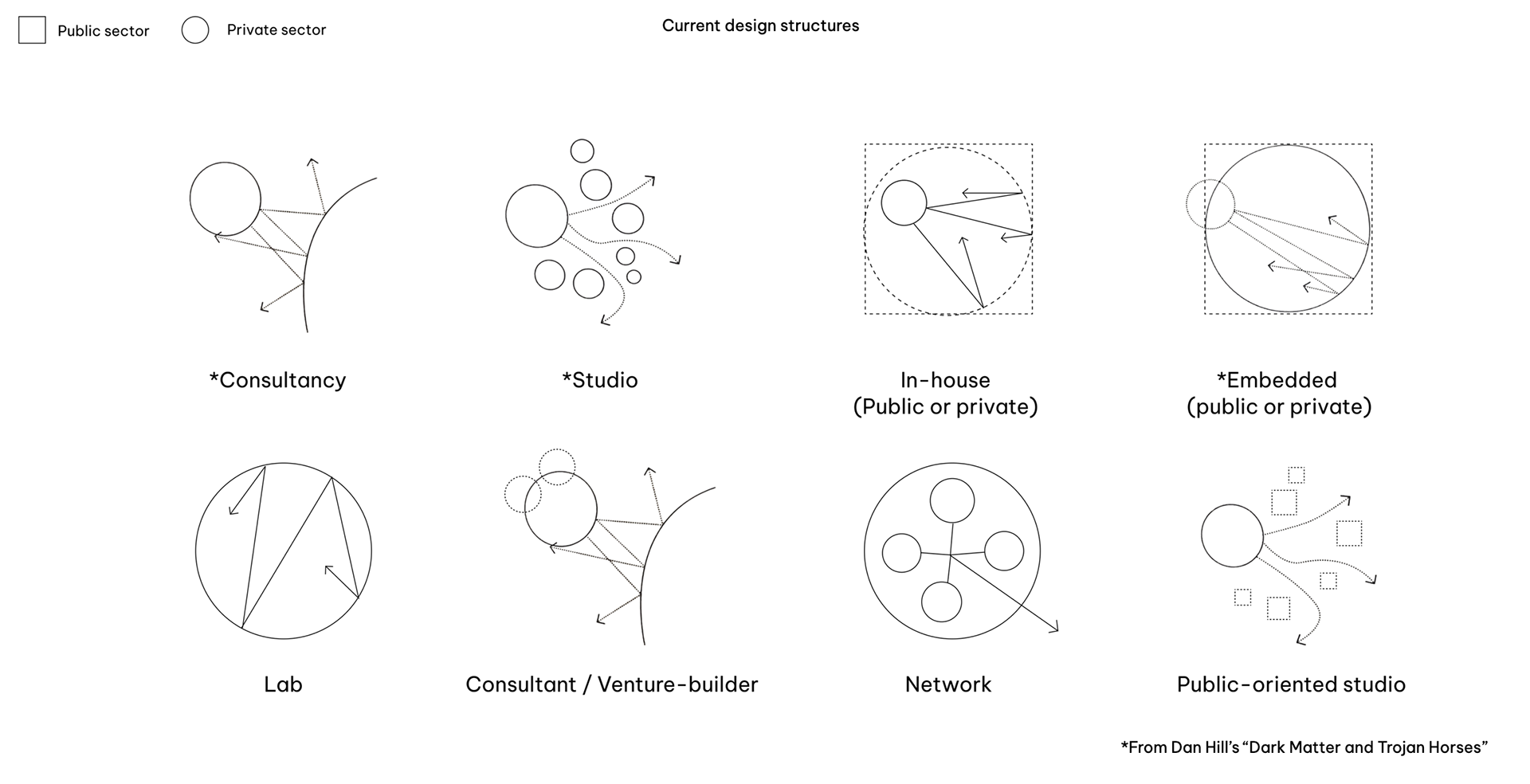
After conducting our 11 interviews and reading Dan Hill's "Dark Matter and Trojan Horses," we further expanded on Dan Hill's three design structures (consultancy, studio and embedded) to reflect all the different types of design practices we'd come across.
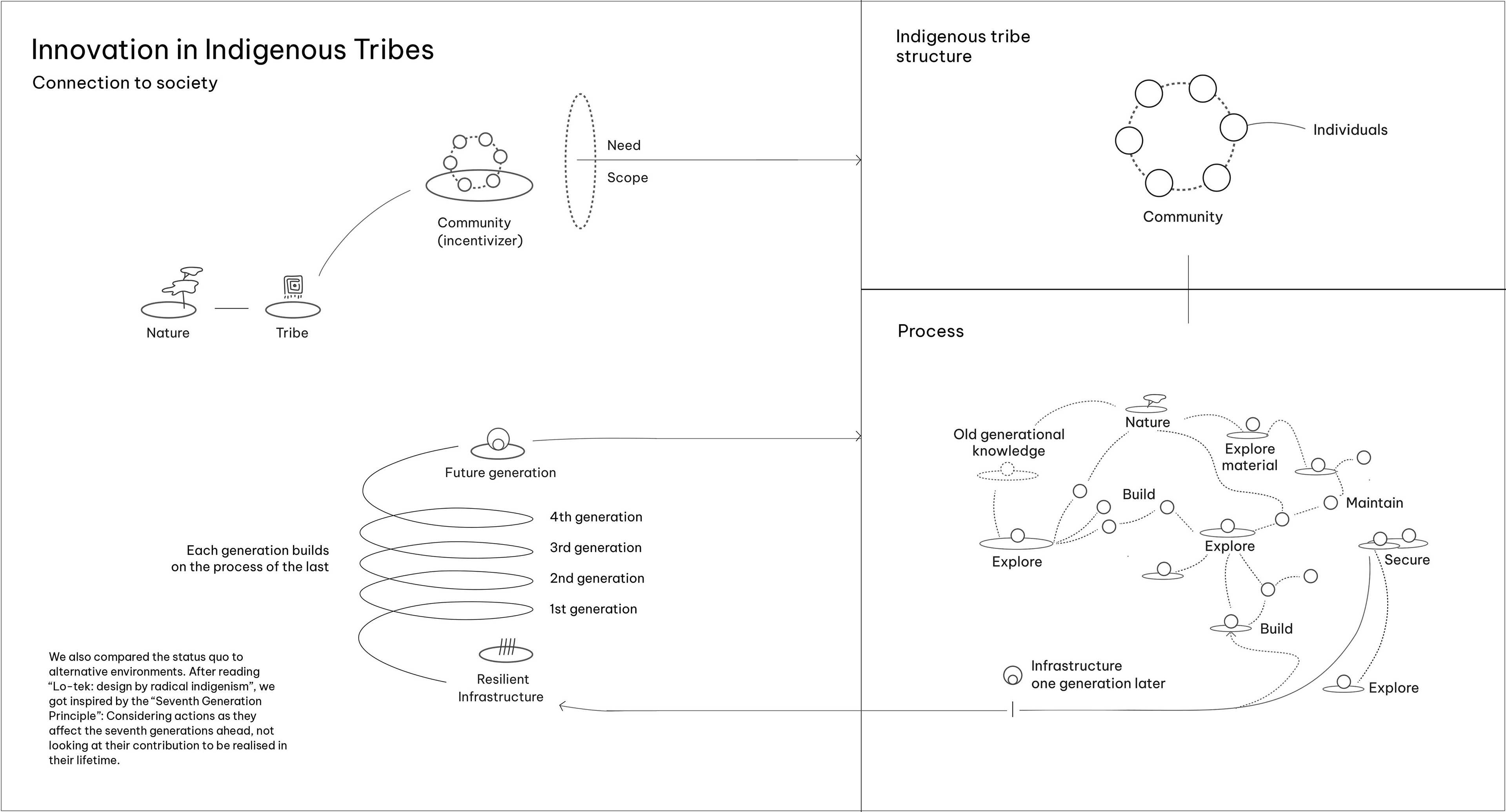
We compared current conventional design processes to other alternatives, such as the design process of indigenous tribes that follow the "seventh generation principle." This principle refers to their design processes that are viewed as taking place over multiple generations.
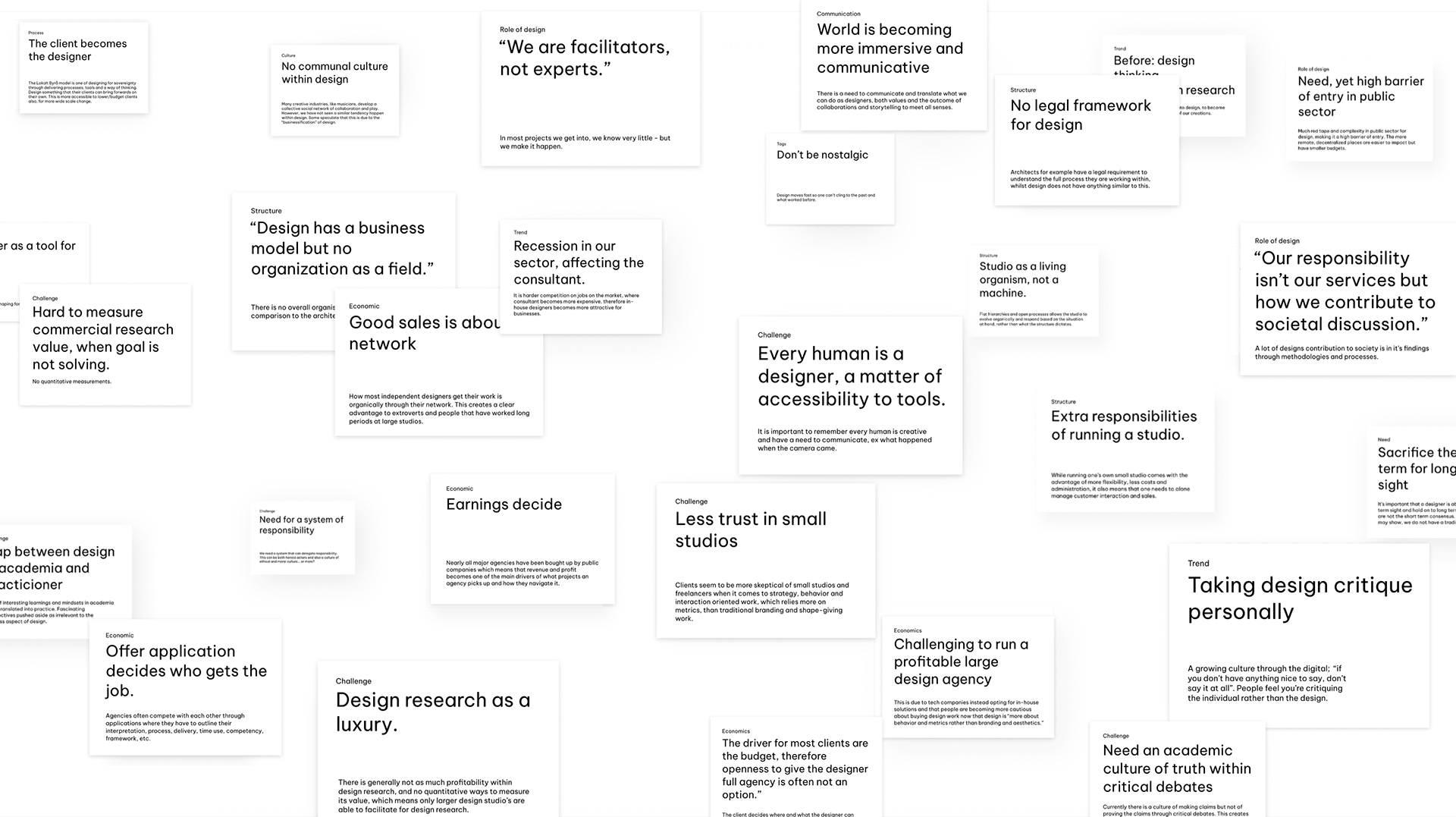
In the final phases of the "what is?" research phase we culminated all our findings into "what is?" cards.
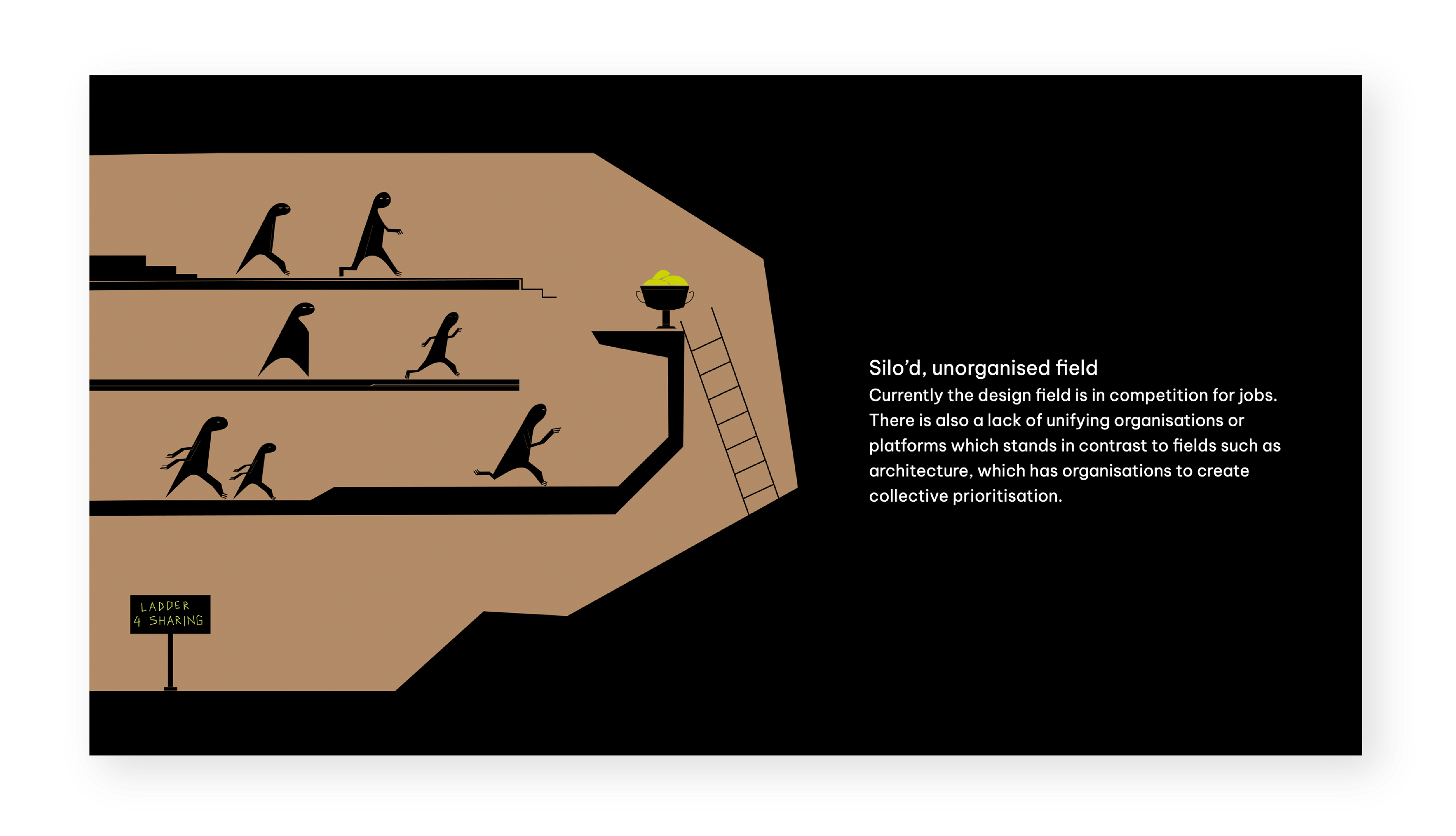
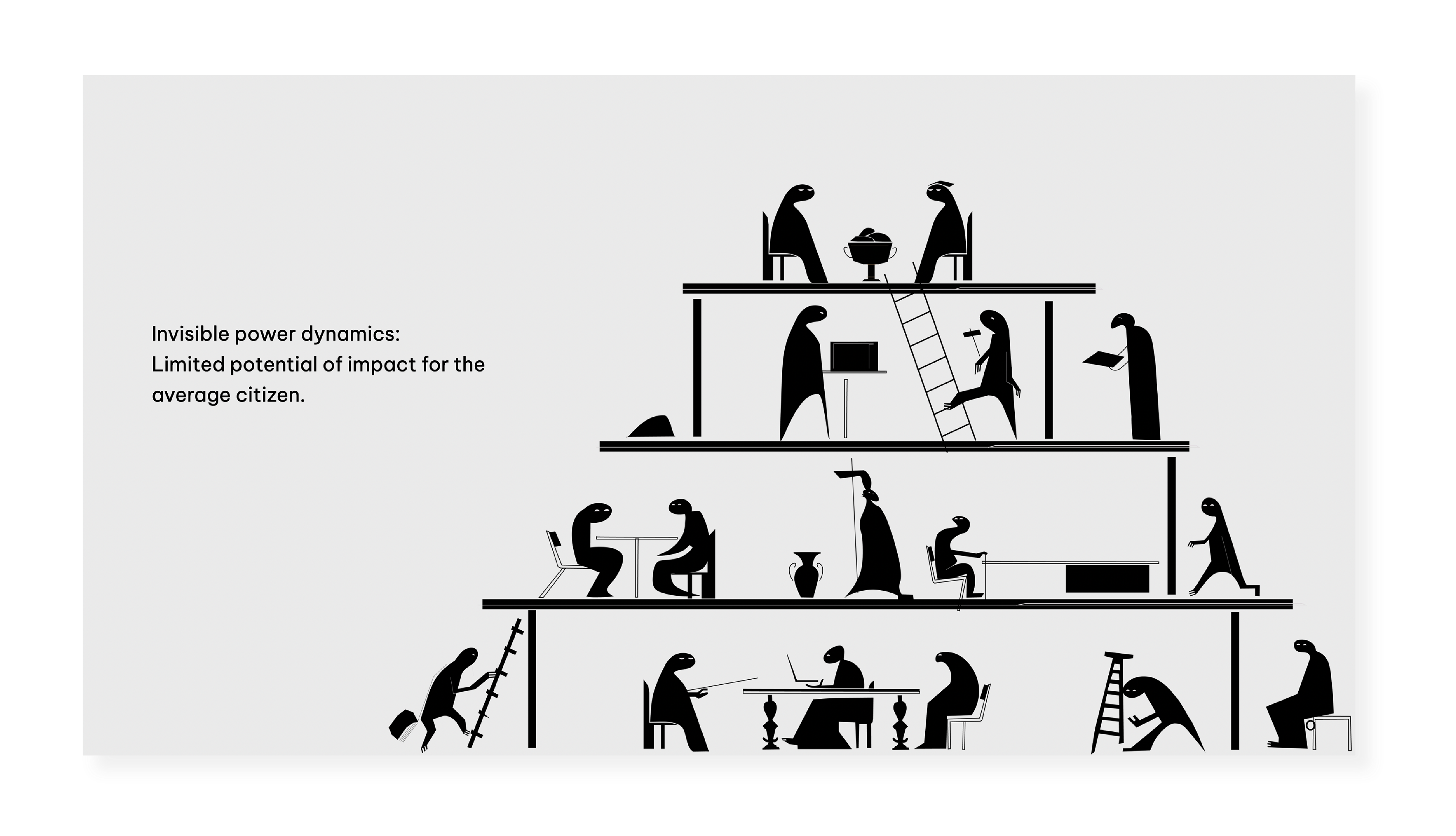
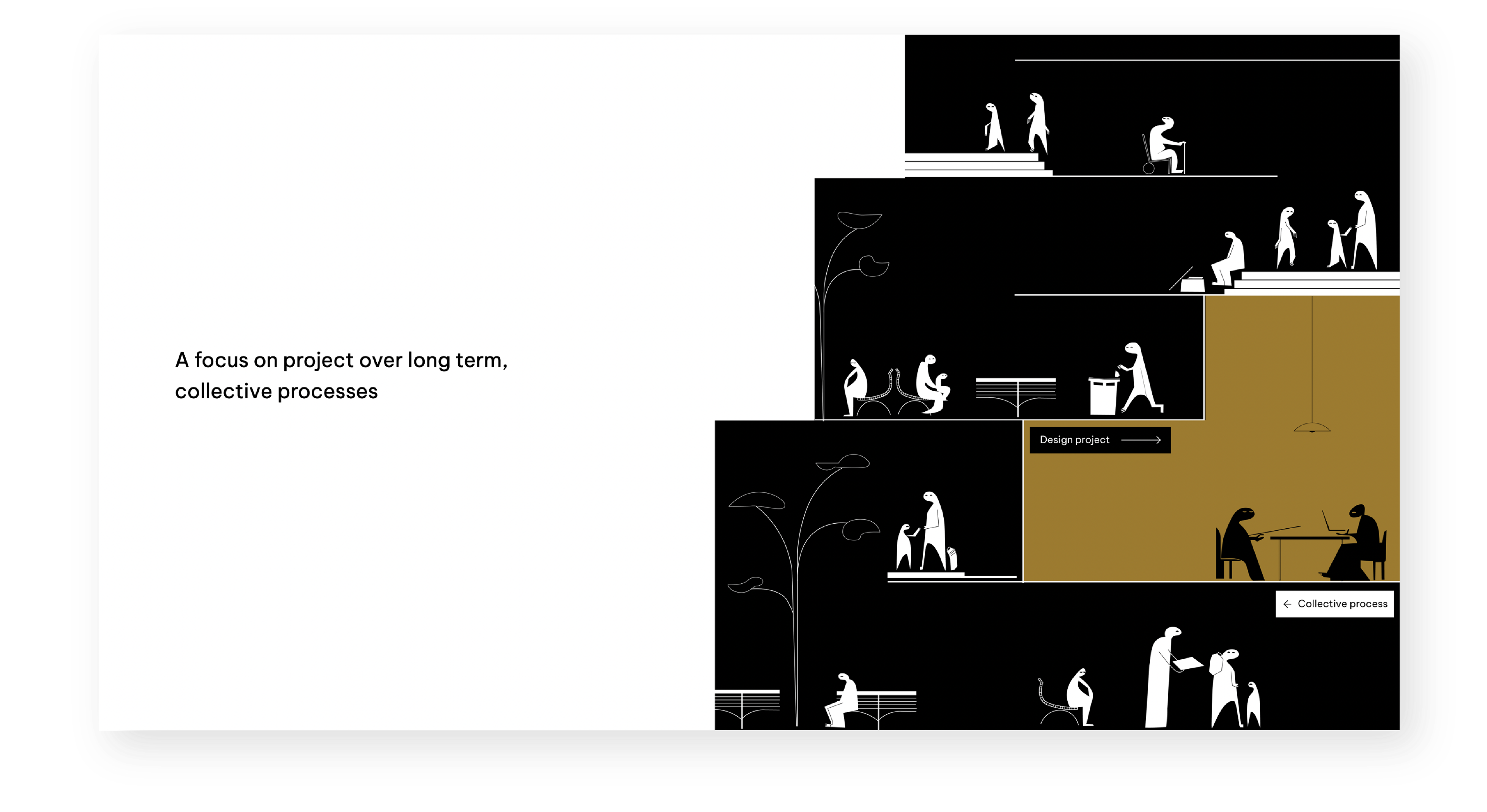
Our research phase culminated in three hypotheses for the core challenges that make it difficult to address complex, planetary challenges.
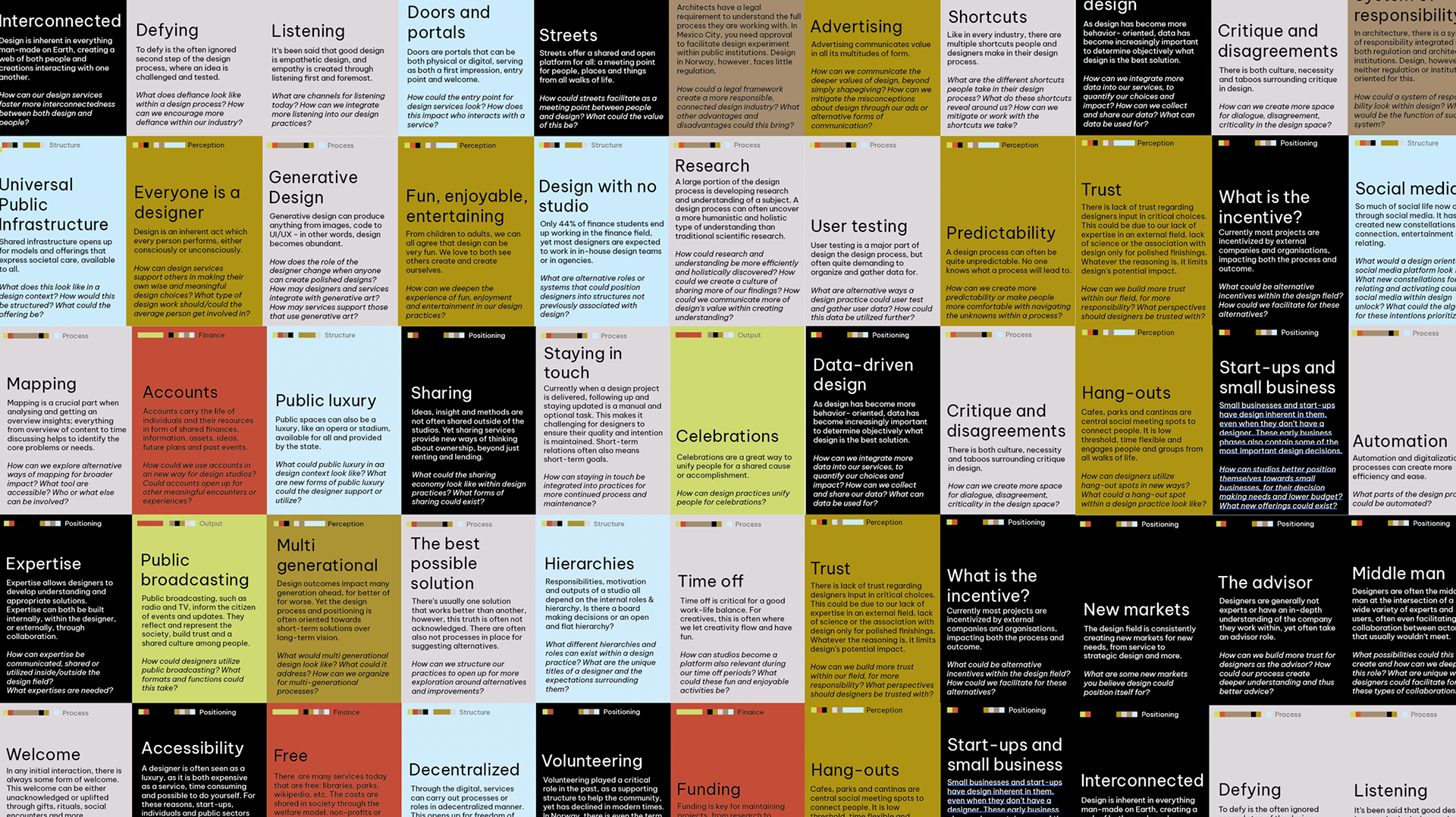
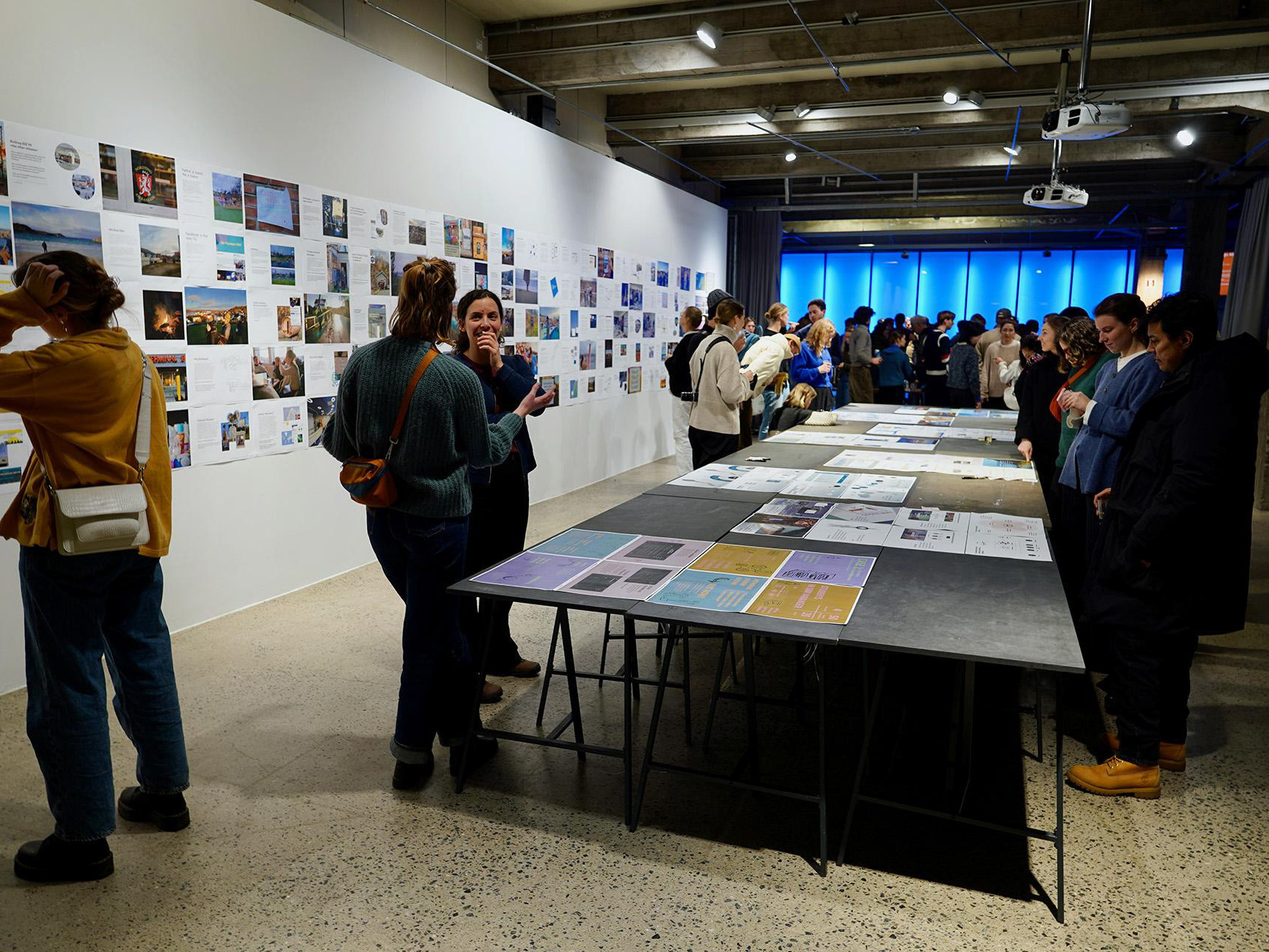
After the "what is?" research phase, we pivoted towards the "what if?" chapter of our process. This phase is defined by ideating potential directions through "what if?" cards and then bringing these cards to workshops with other designers to see how they receive these open ended possibilities and allowing them to create ideas triggered by the "what if?" cards. This creates both valuable discussion, insight and a wide range of ideas to build upon further.
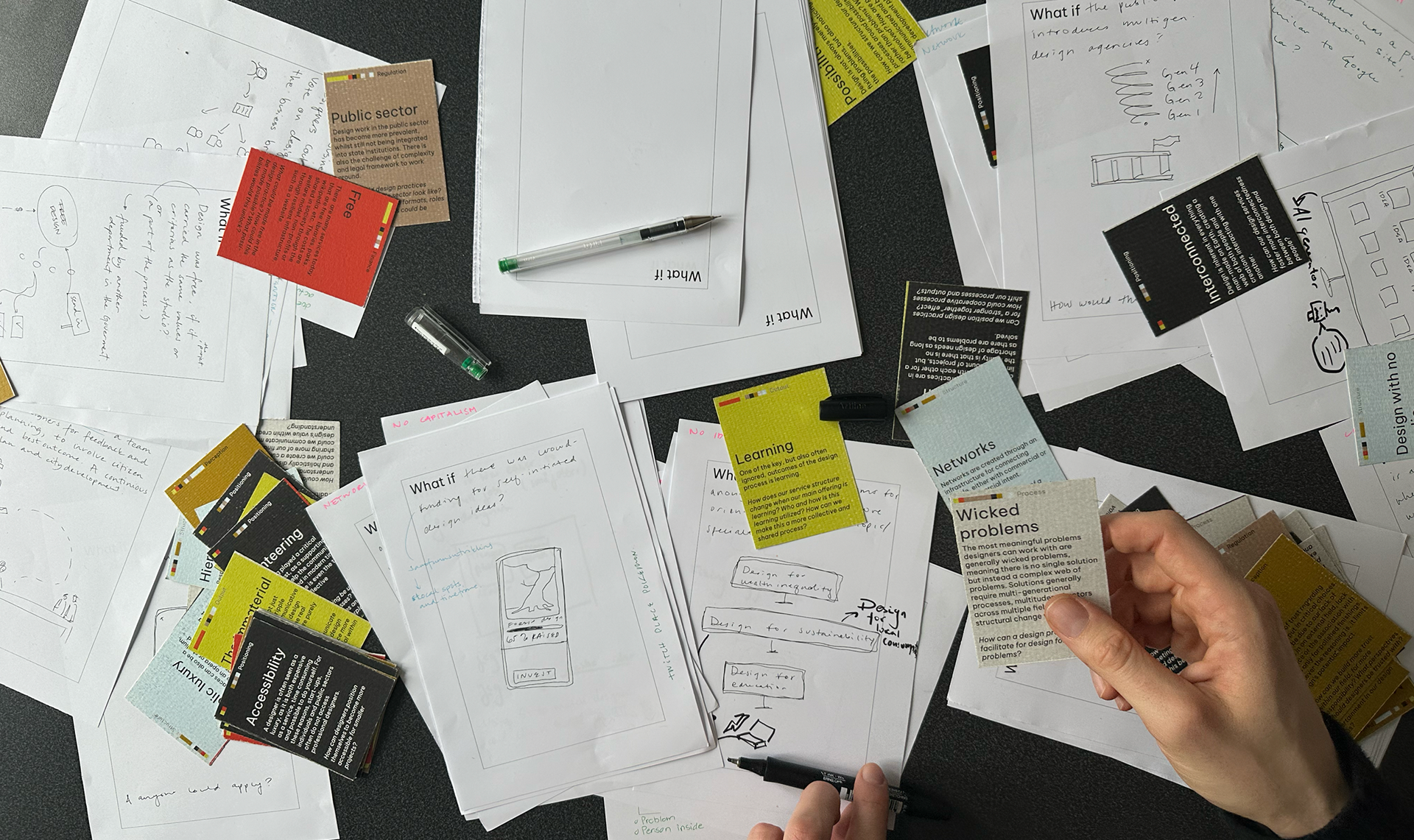
The workshop was done with multiple designers present at the same time to trigger different discussions. We completed multiple rounds of ideation, often building upon each other's ideas.
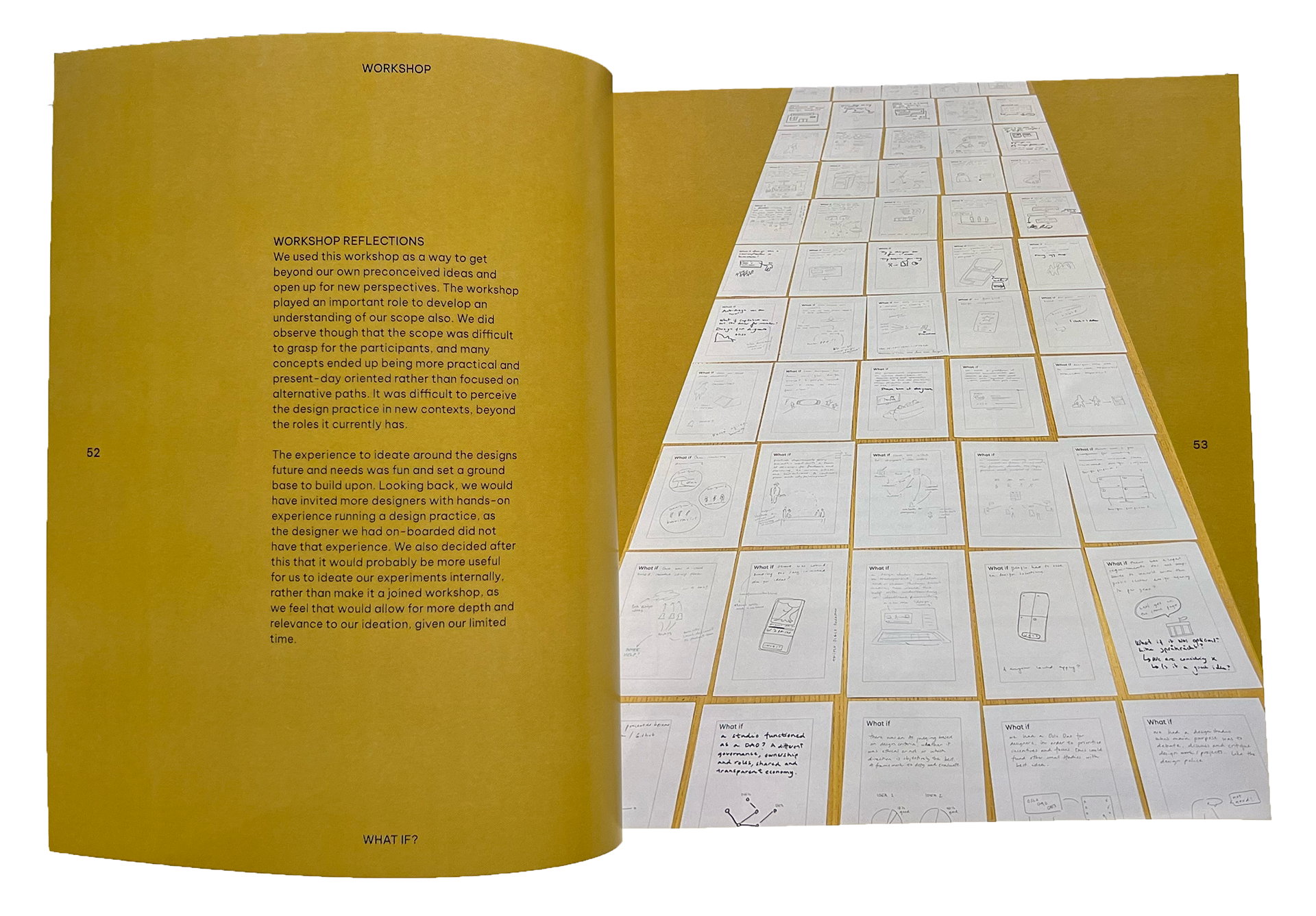
This workshop laid the groundwork for the next phase of our diploma project: the "but how?" phase.
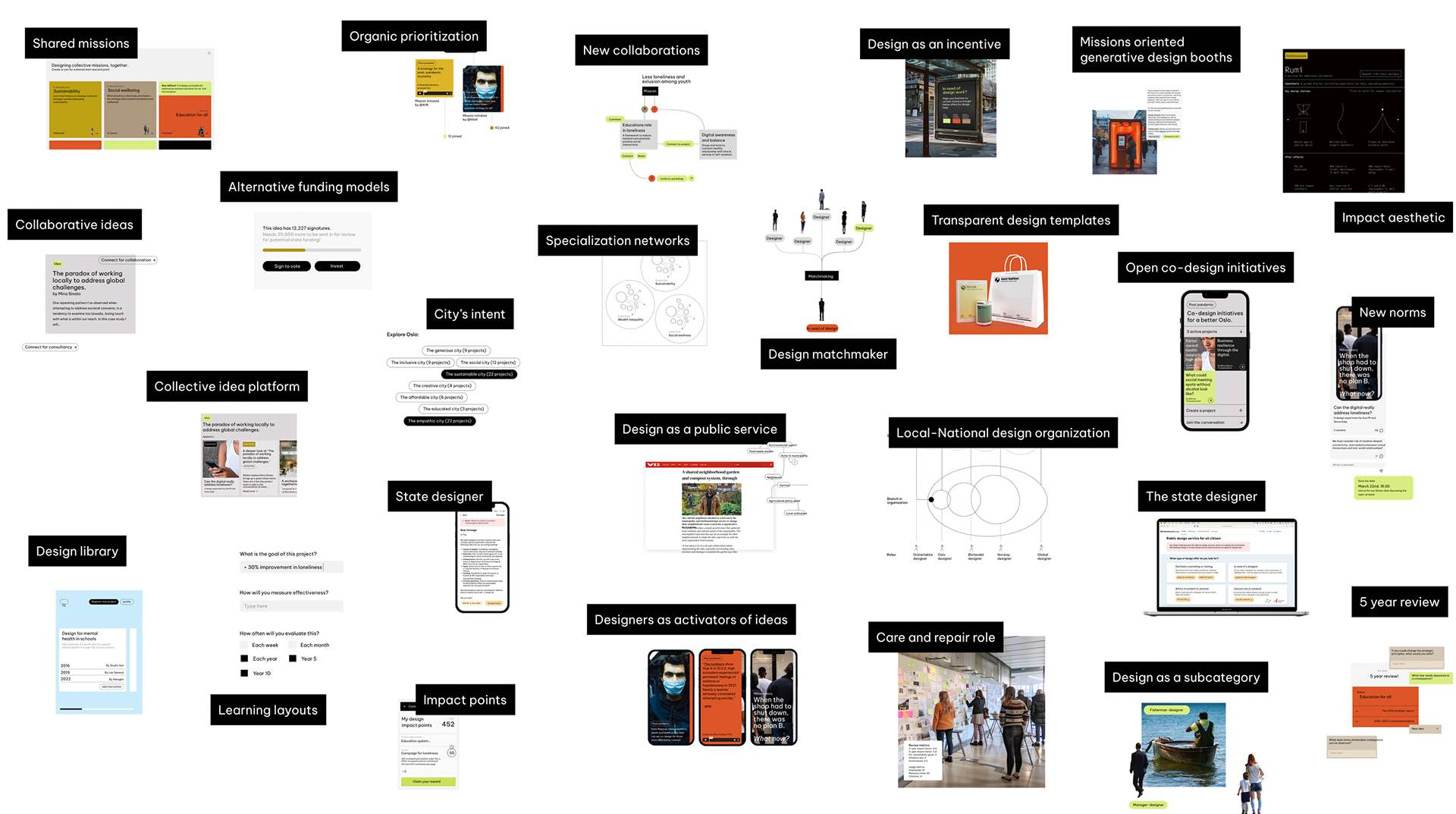
This part of the process was about filtering through the vast amounts of thoughts and ideas, to ultimately refine the ones that we believed carried the most value.
The "but how?" phase
In order to narrow down, we analyzed and filtered out the concepts we found answered and aligned to our original core challenges the most. We decided to further develop 26 different concepts, which we believed had greater room for impact on the field and that could test our three core hypotheses. These 26 concepts laid the foundation for testing and feedback, and resulted in our final experiments within the project scope.
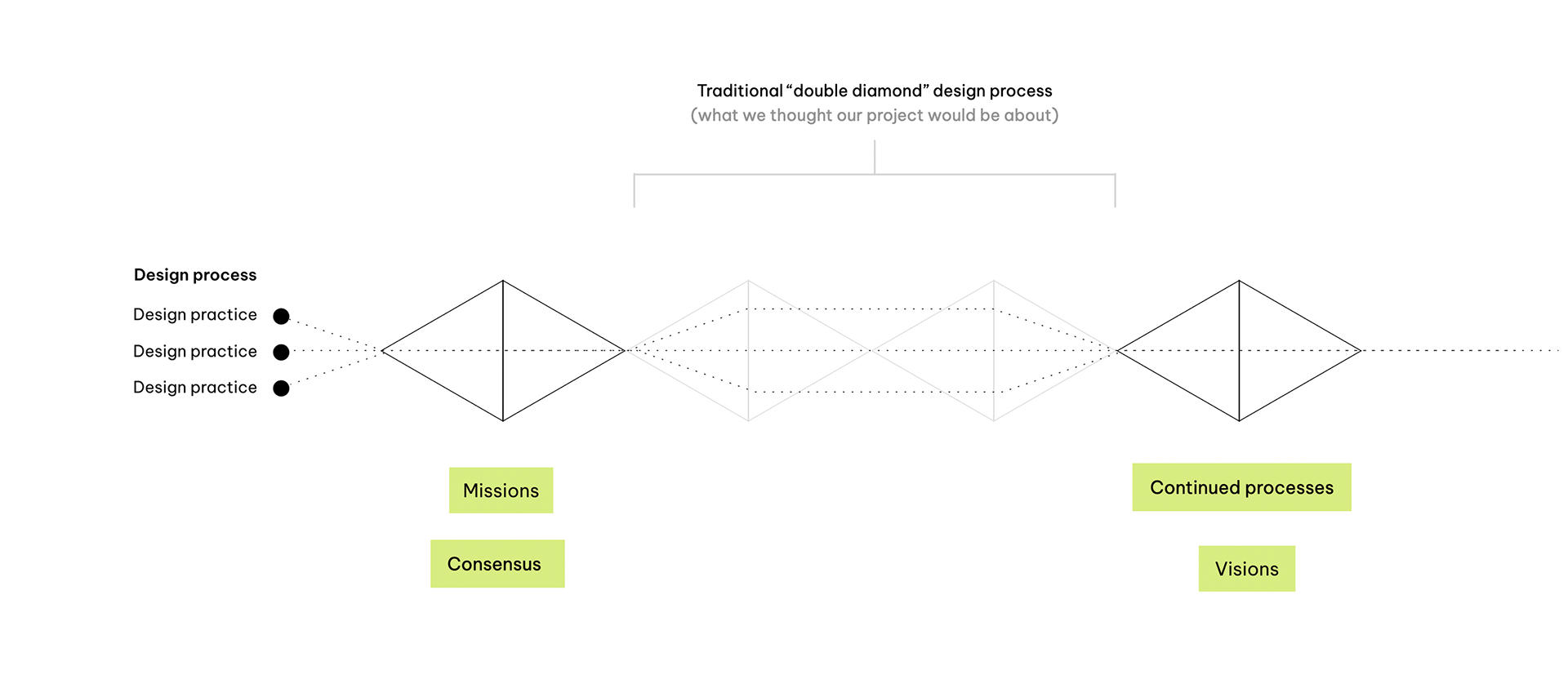
After presenting these ideas to other designers, we had a realisation: The ideas we believed would move the needle of impact the most were not situated within the traditional "double diamond" design process. Instead we could place most of our ideas within one of the four categories: consensus, missions, visions and continued processes. These referred to either the phases before a design process takes place or the future within which a design exists.
We realised that more meaningful than our individual concepts, was this framework which expands how we view design: from separate design processes towards the more abstract understandings that could unite projects.
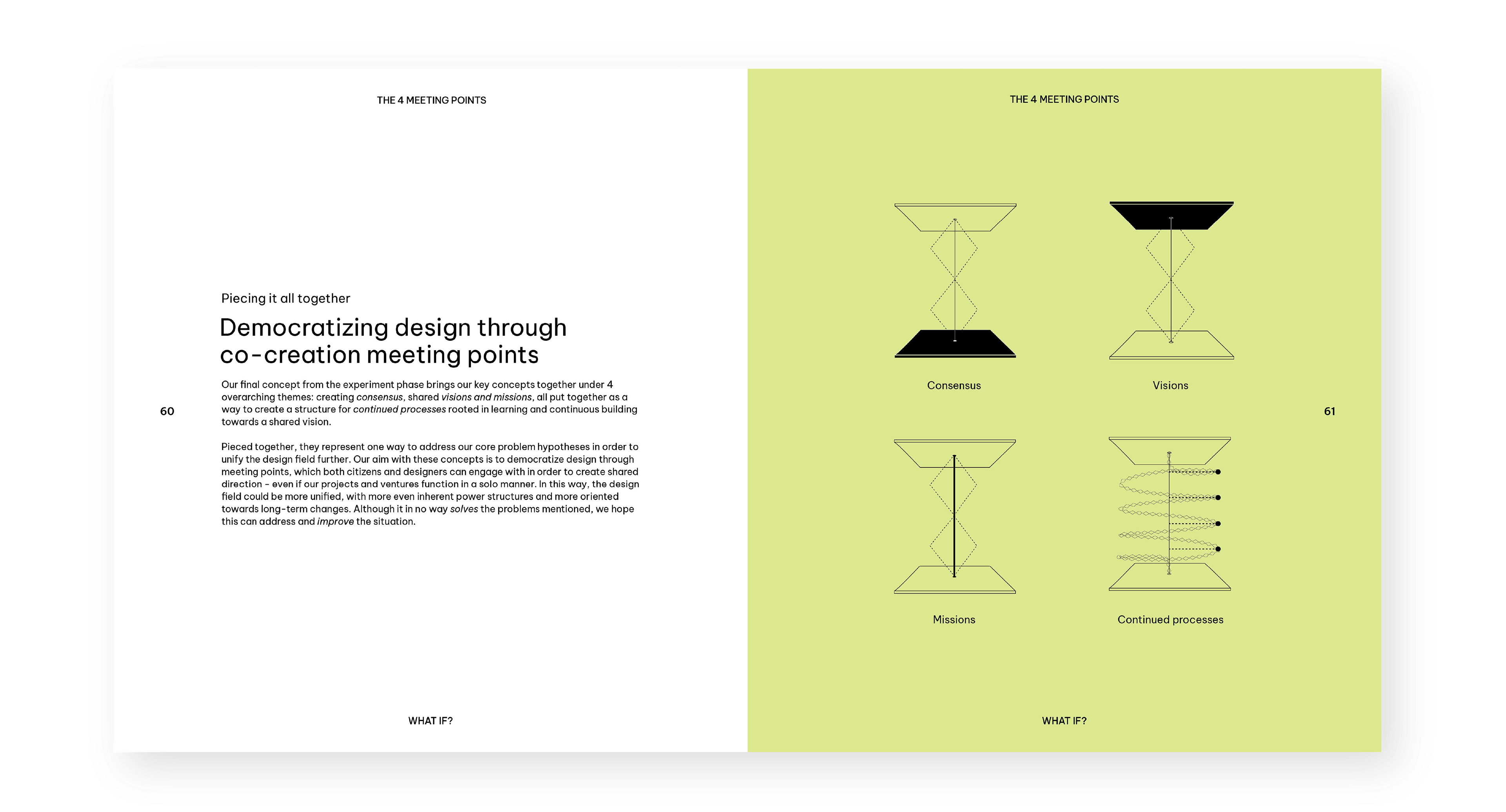
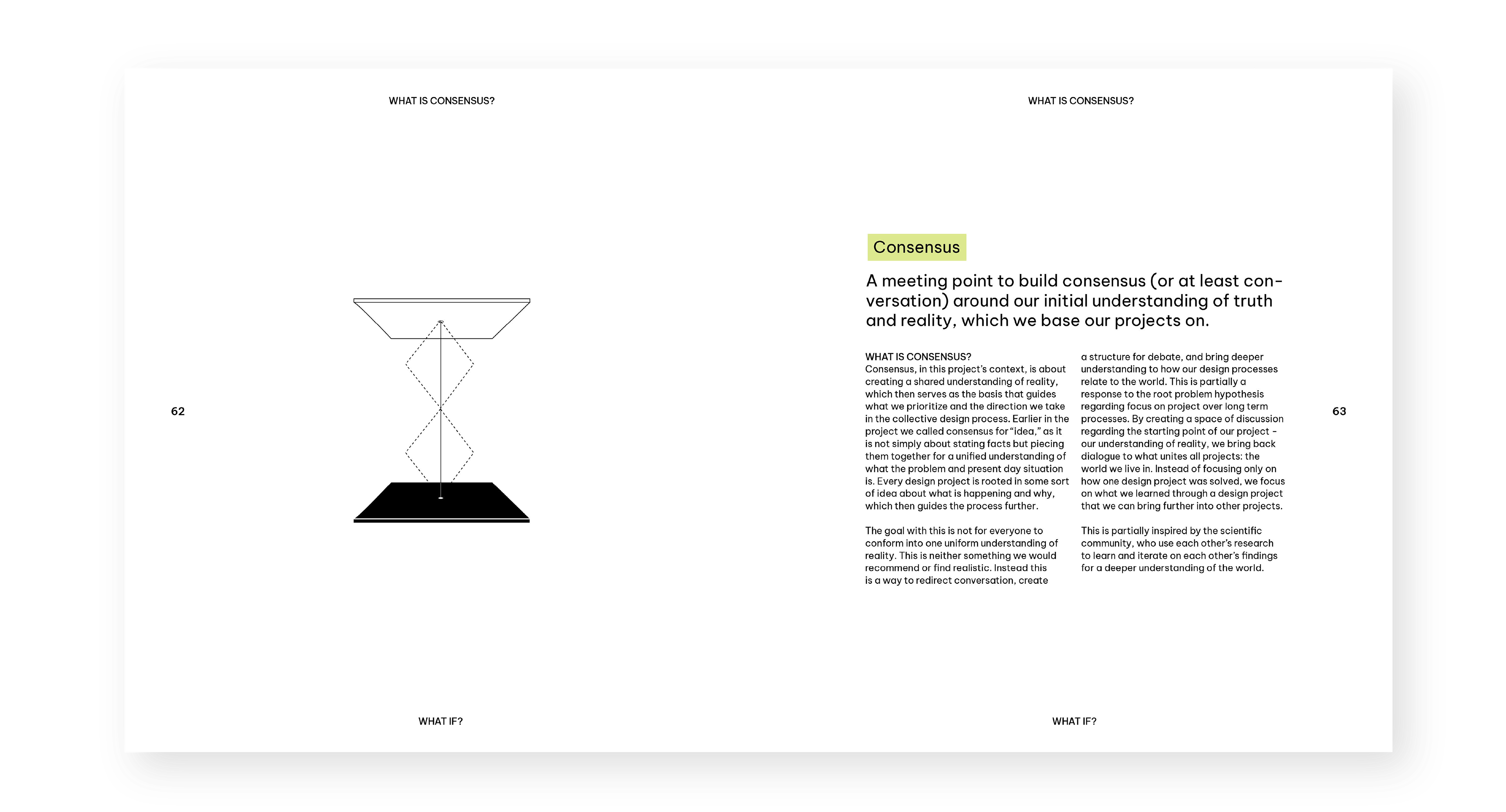
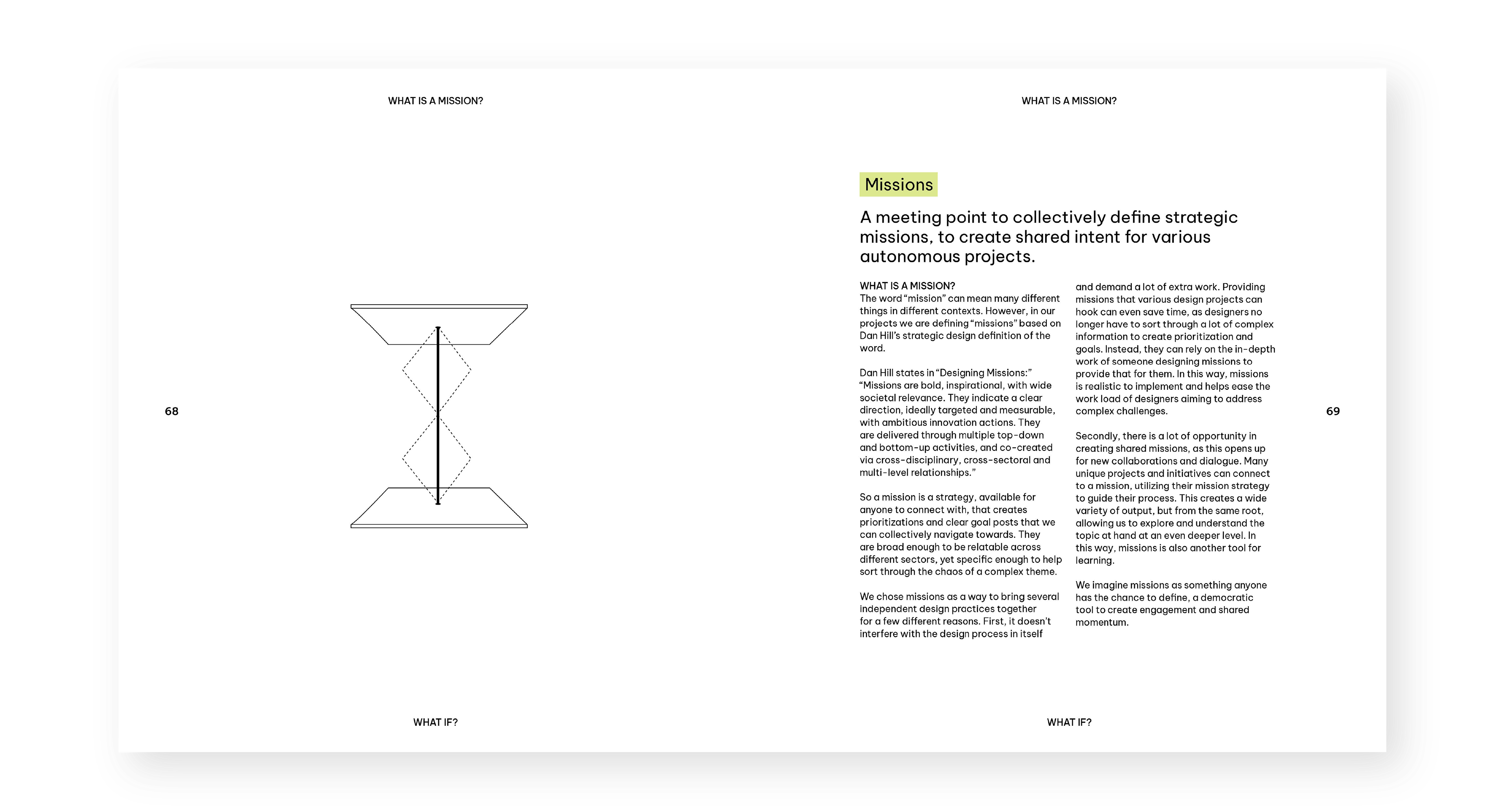
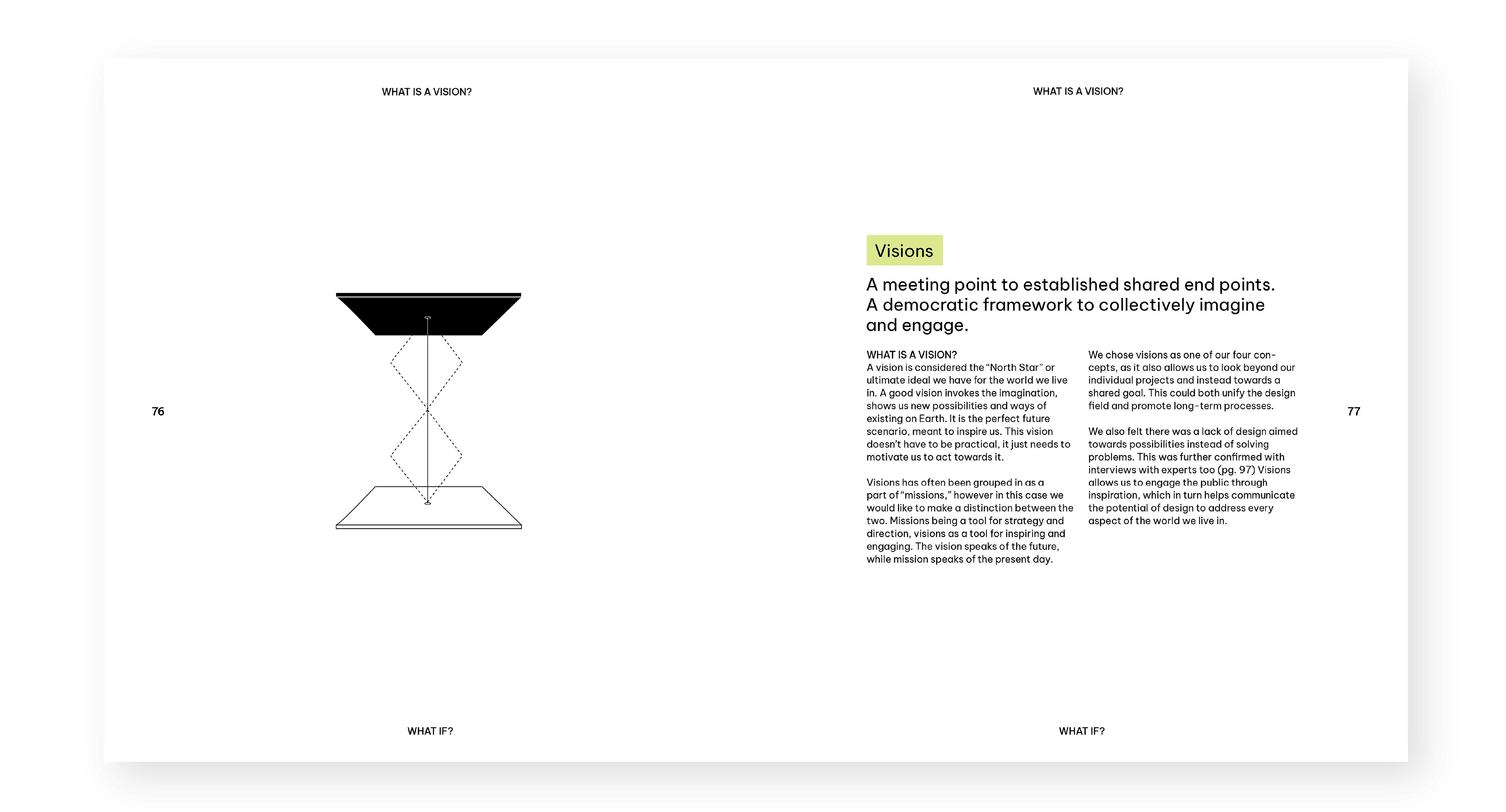
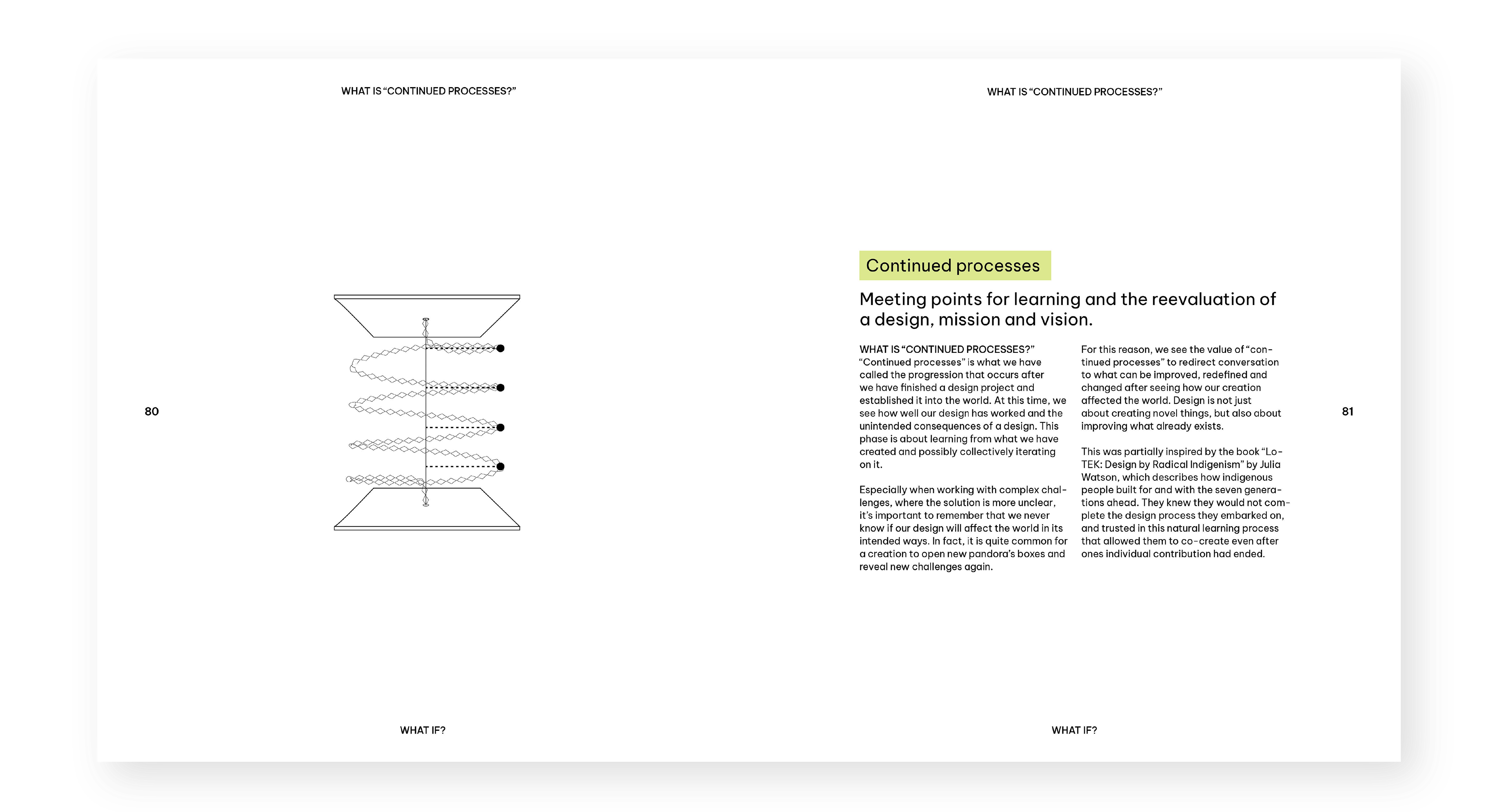
"The four meeting points" of consensus, missions, visions and continued processes became the cornerstones of our project.
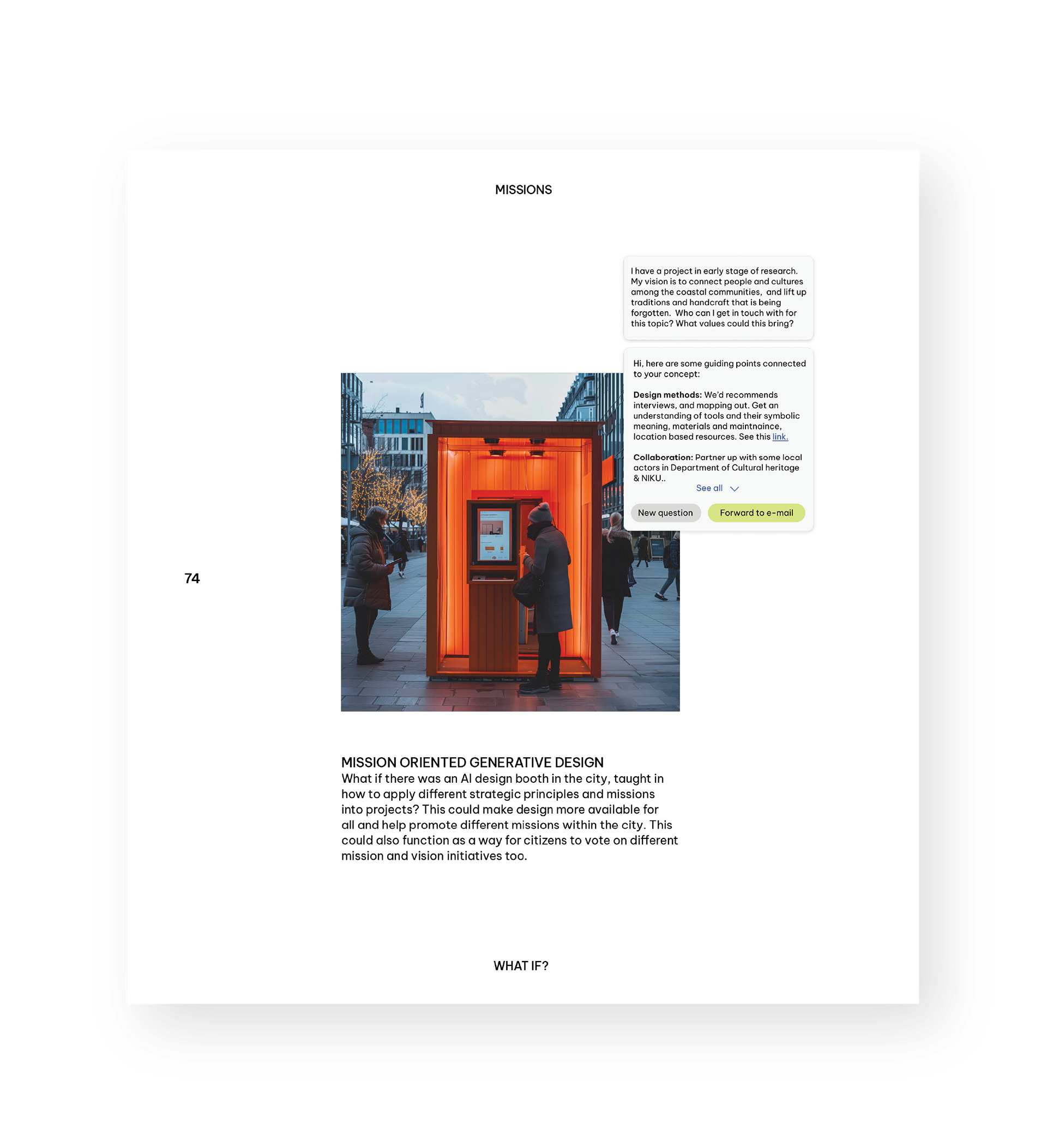
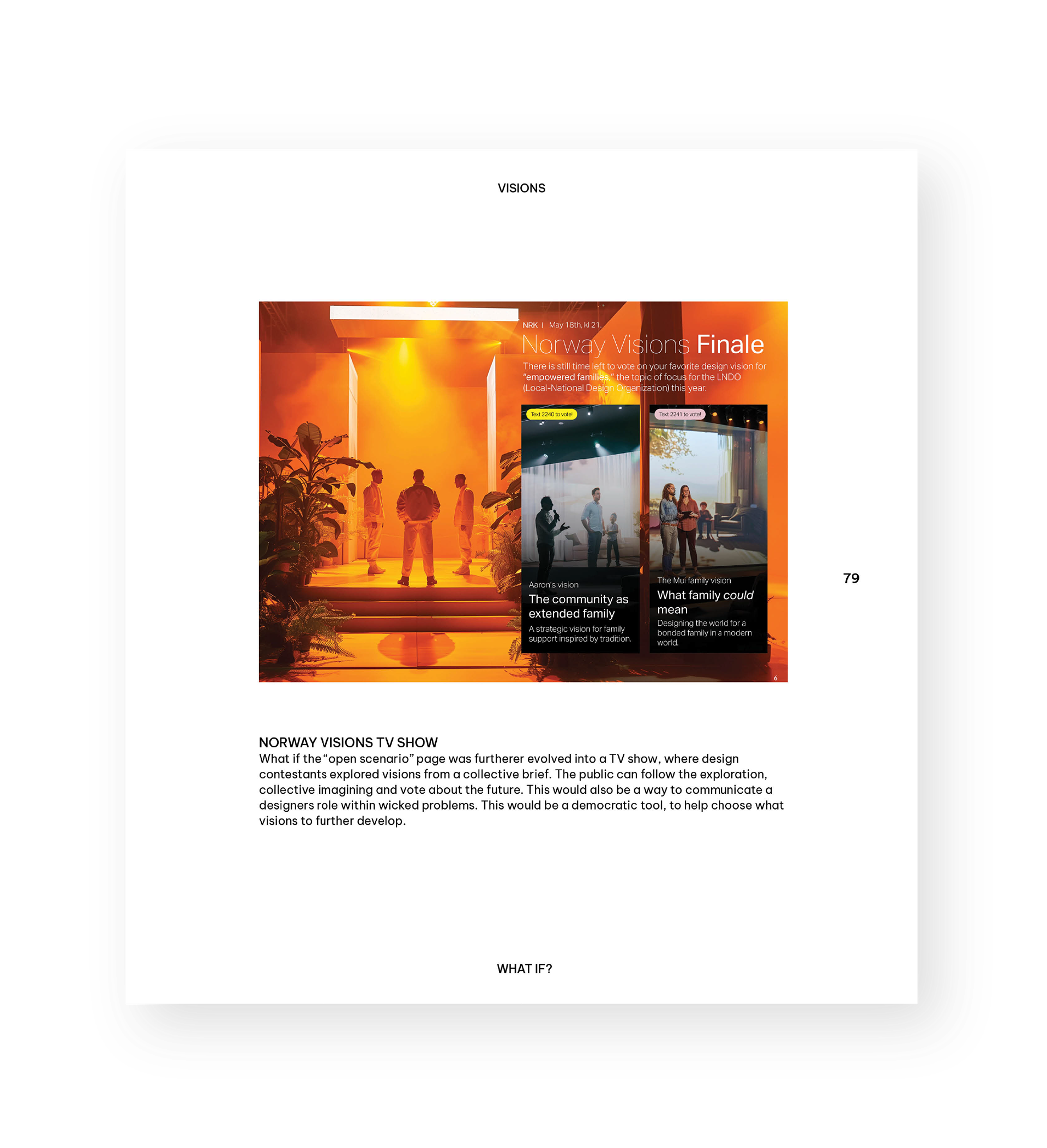
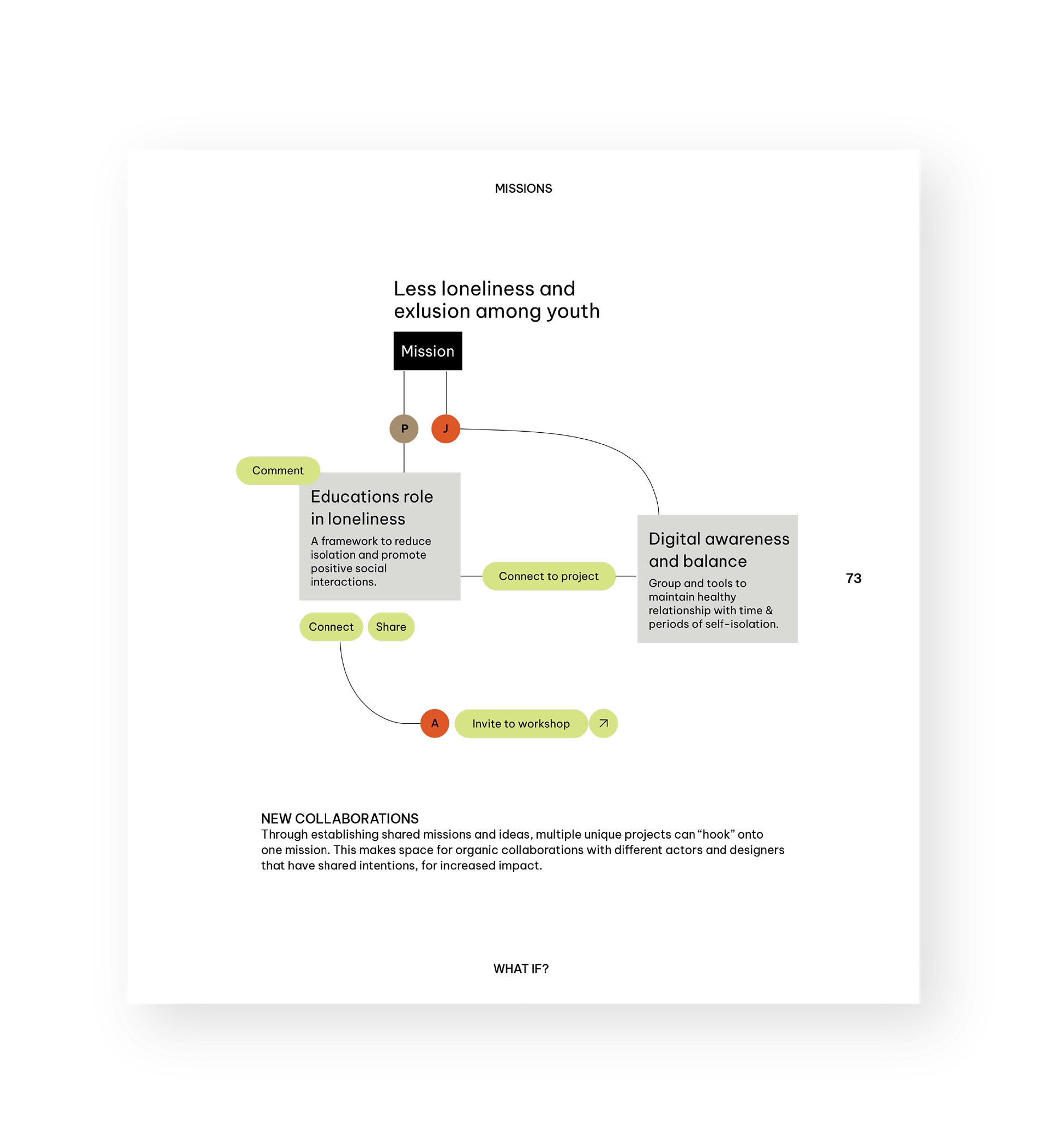
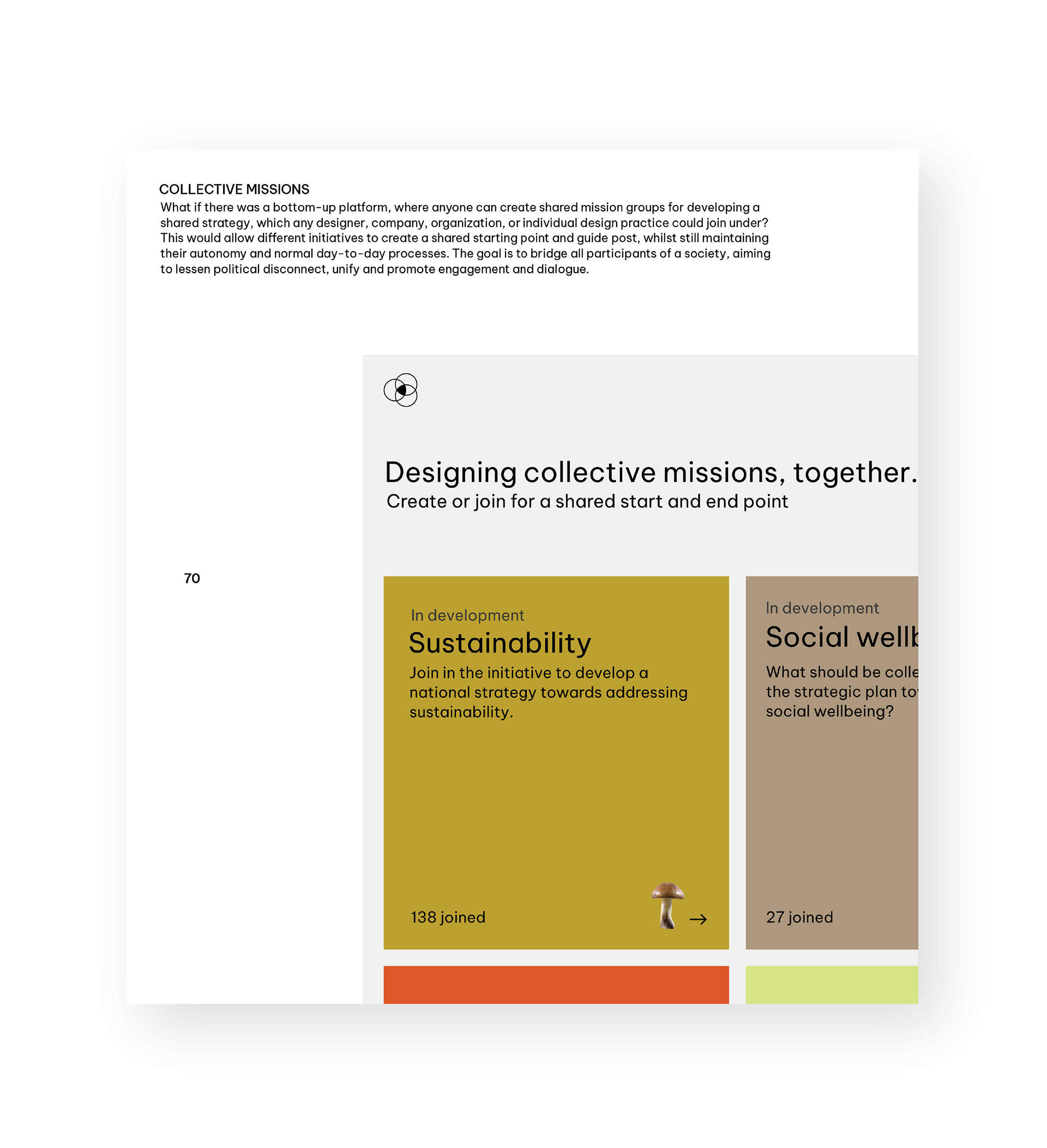
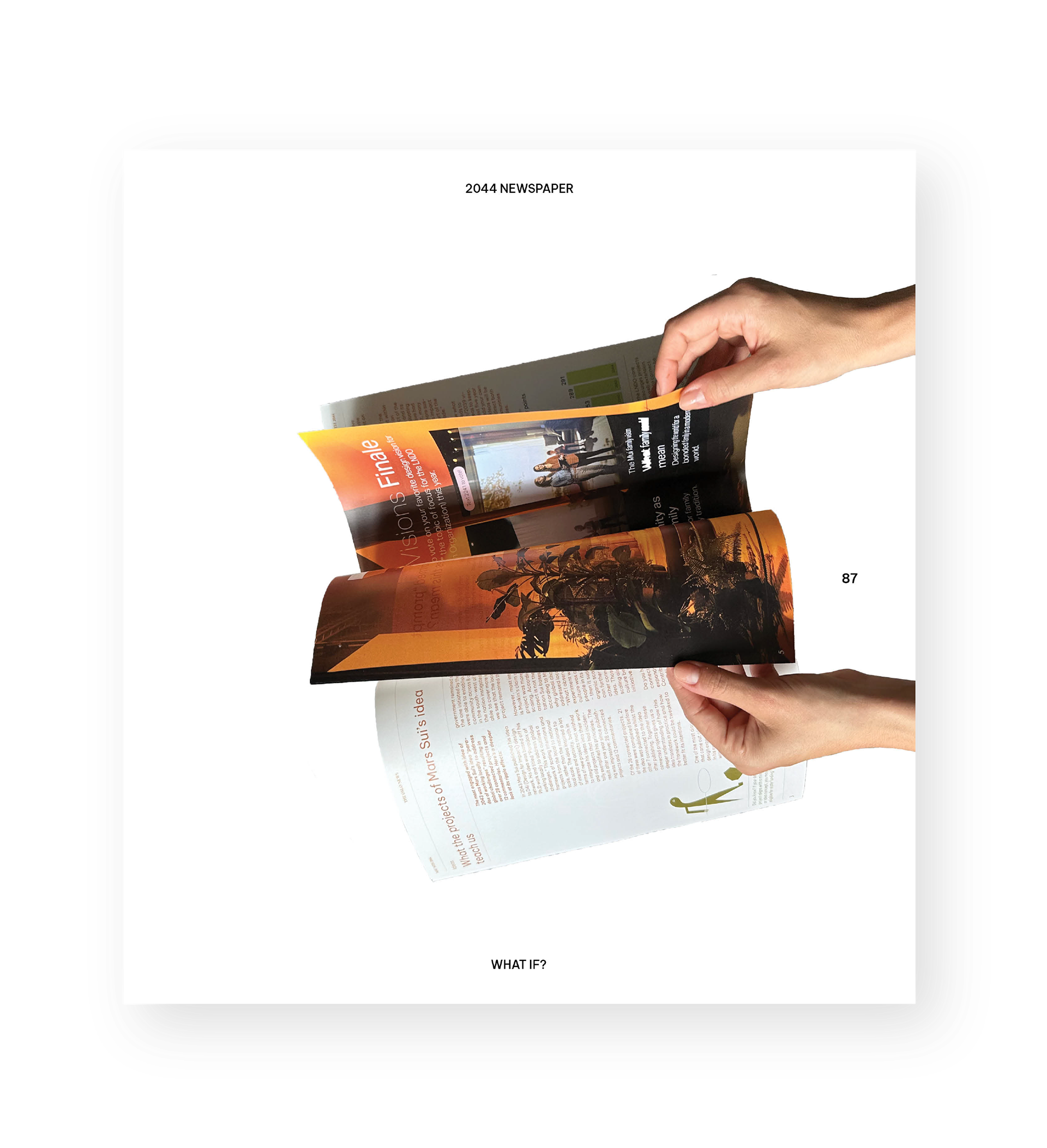
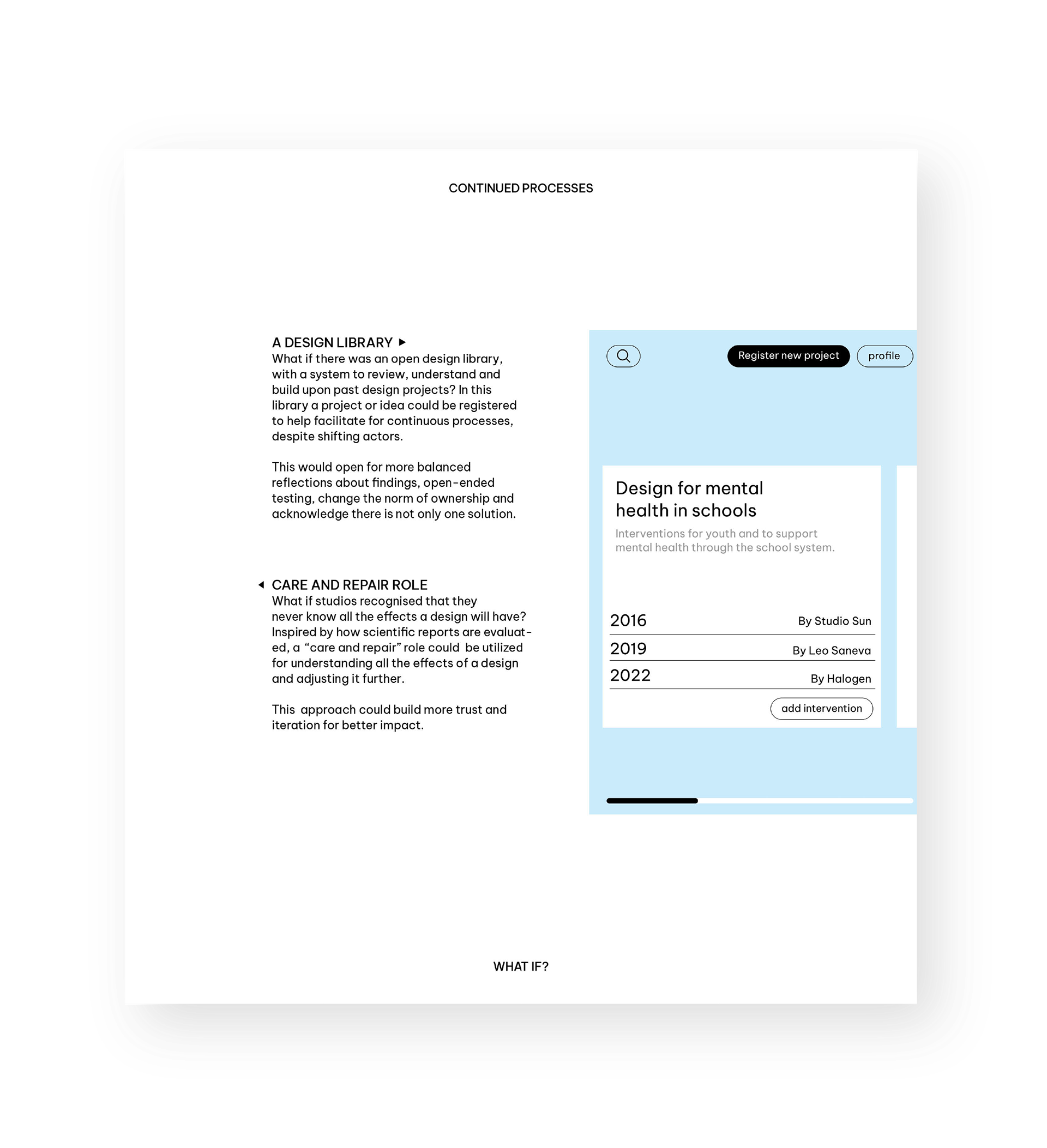
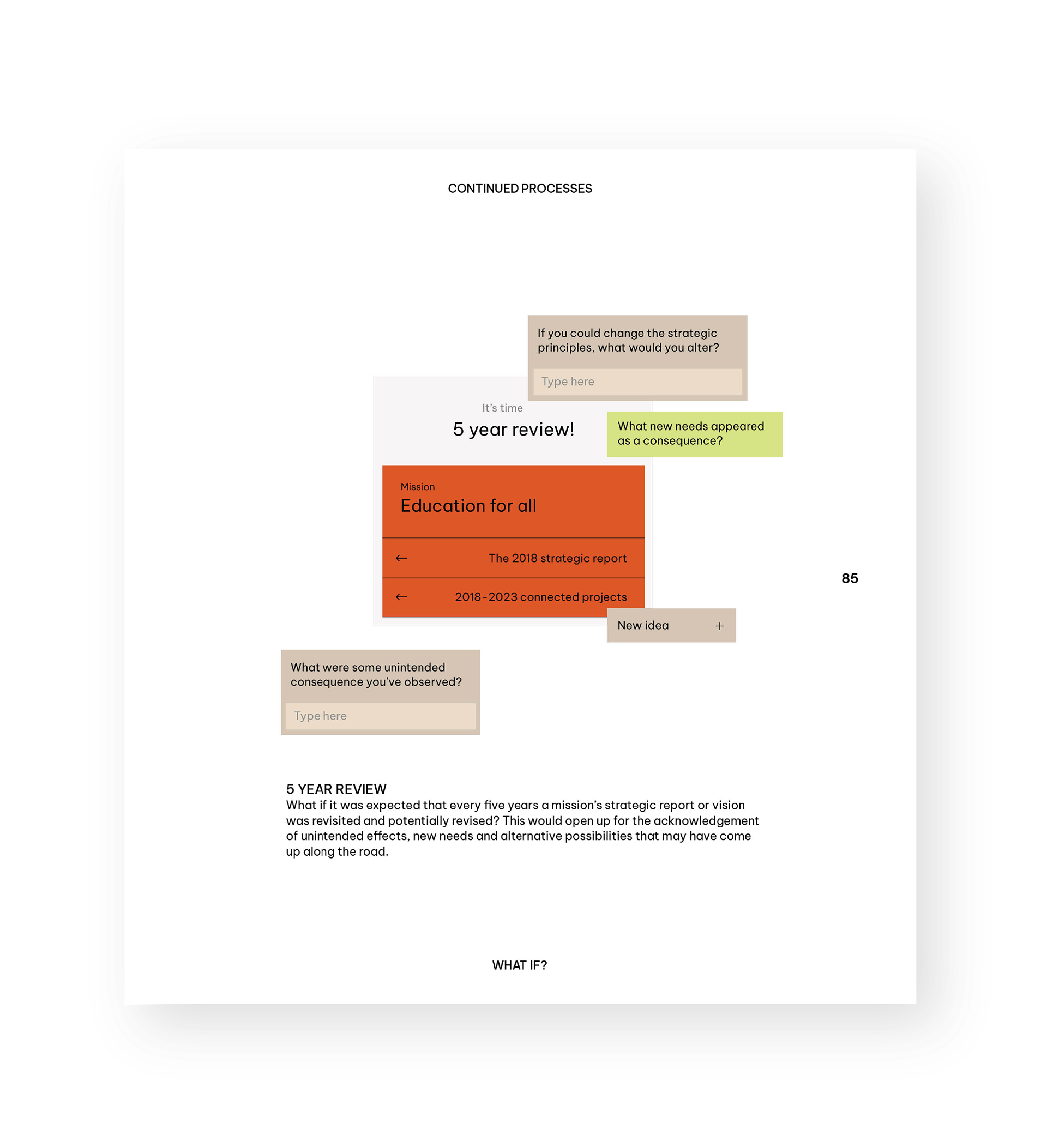
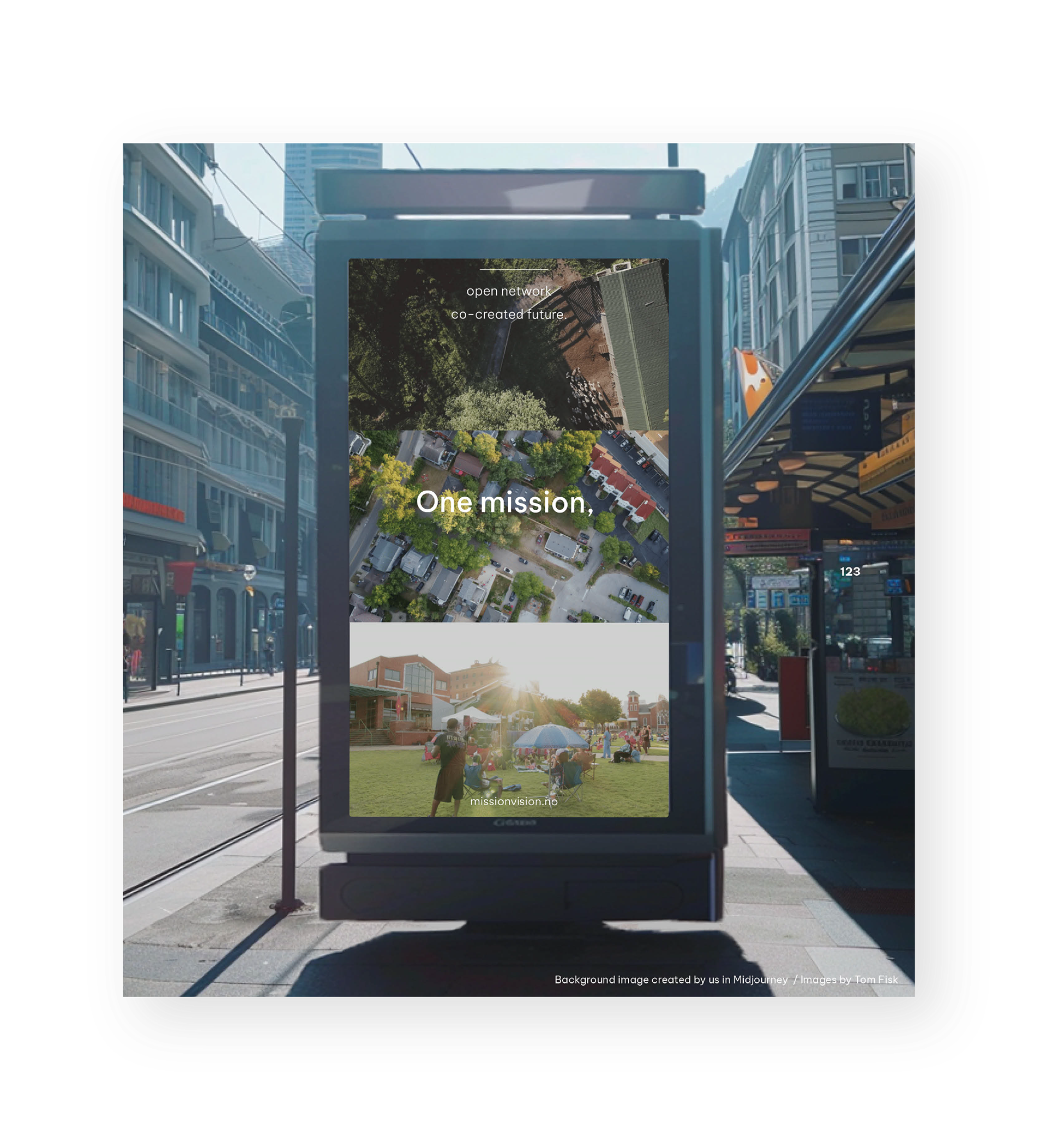
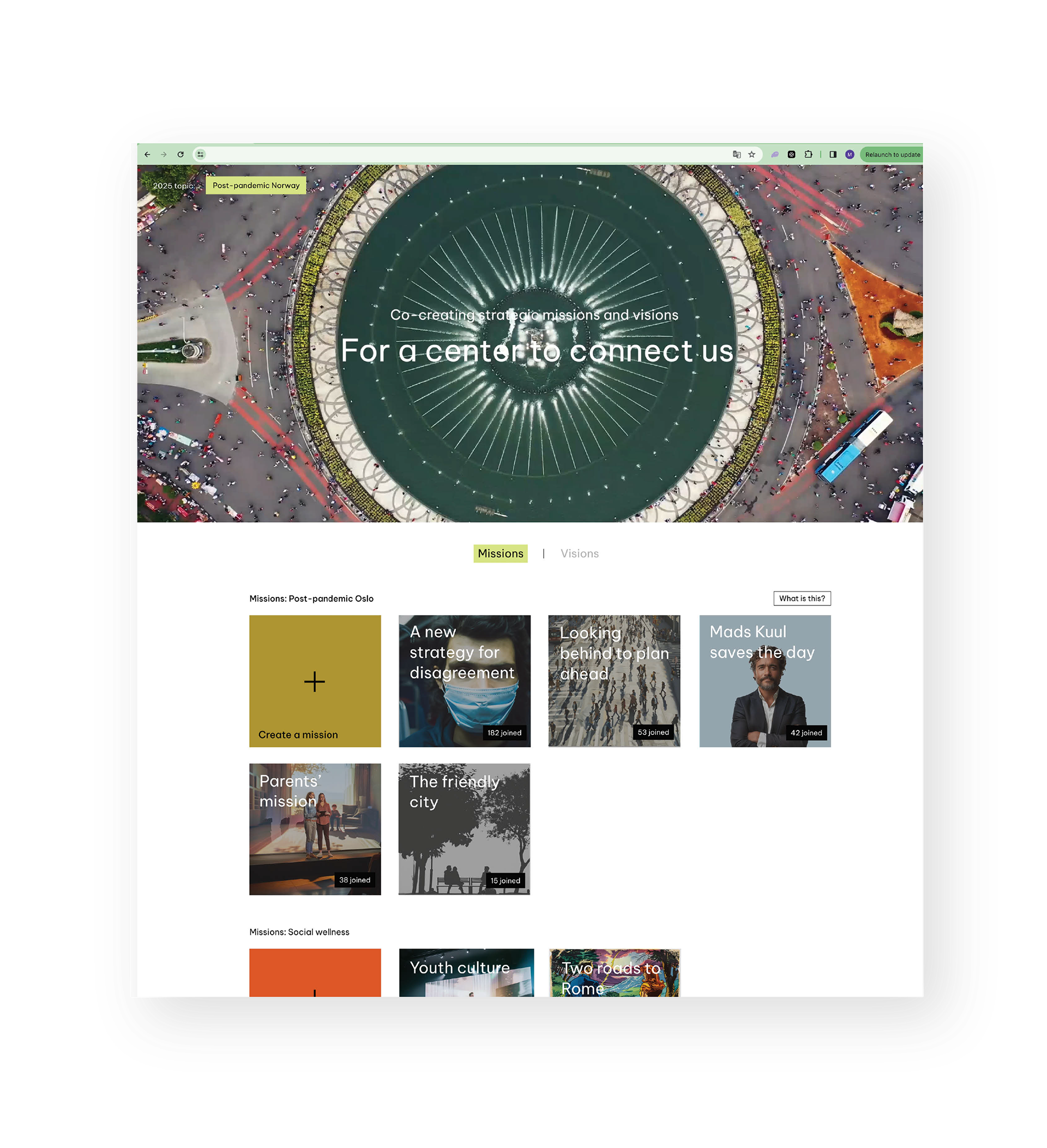
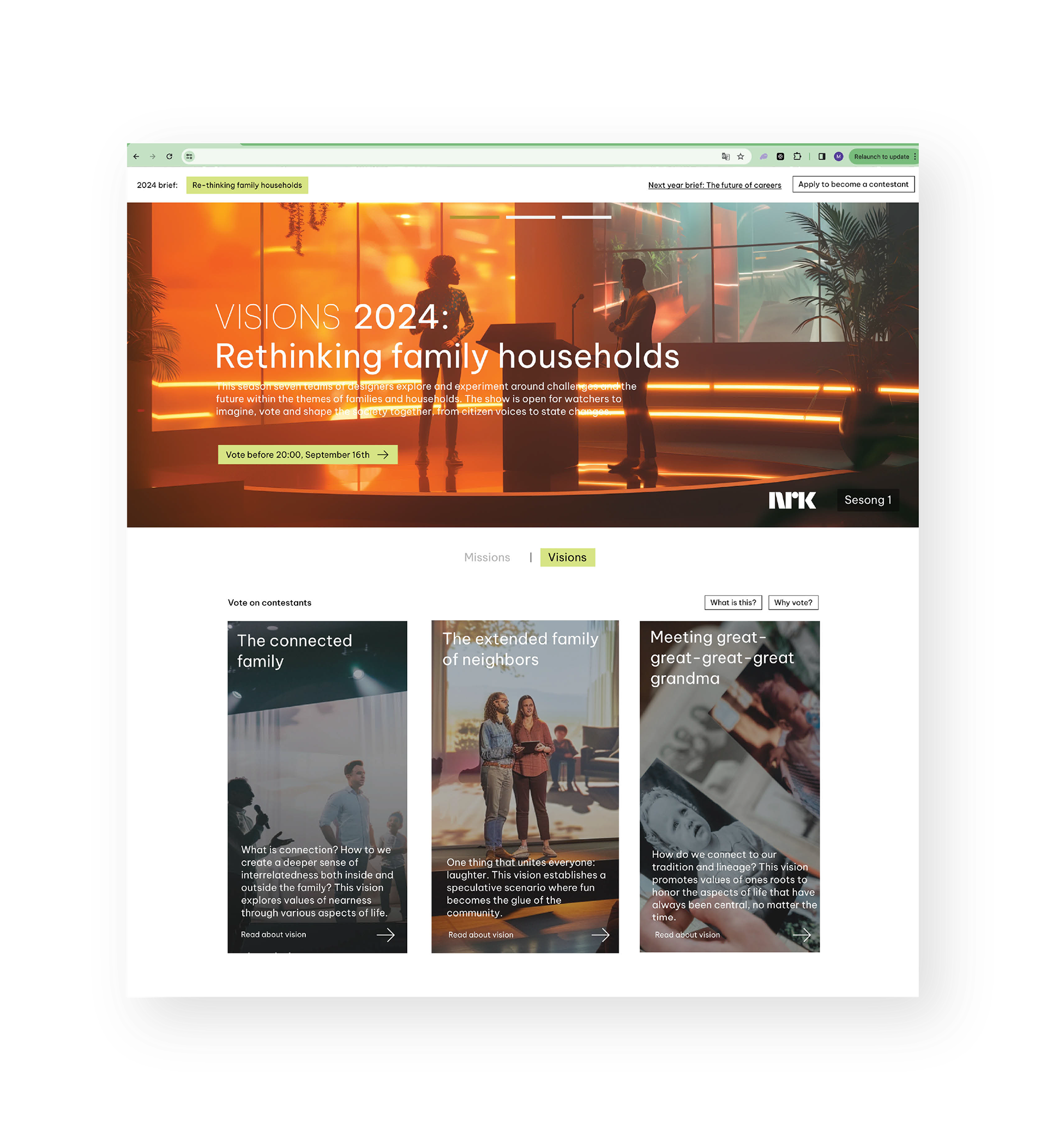
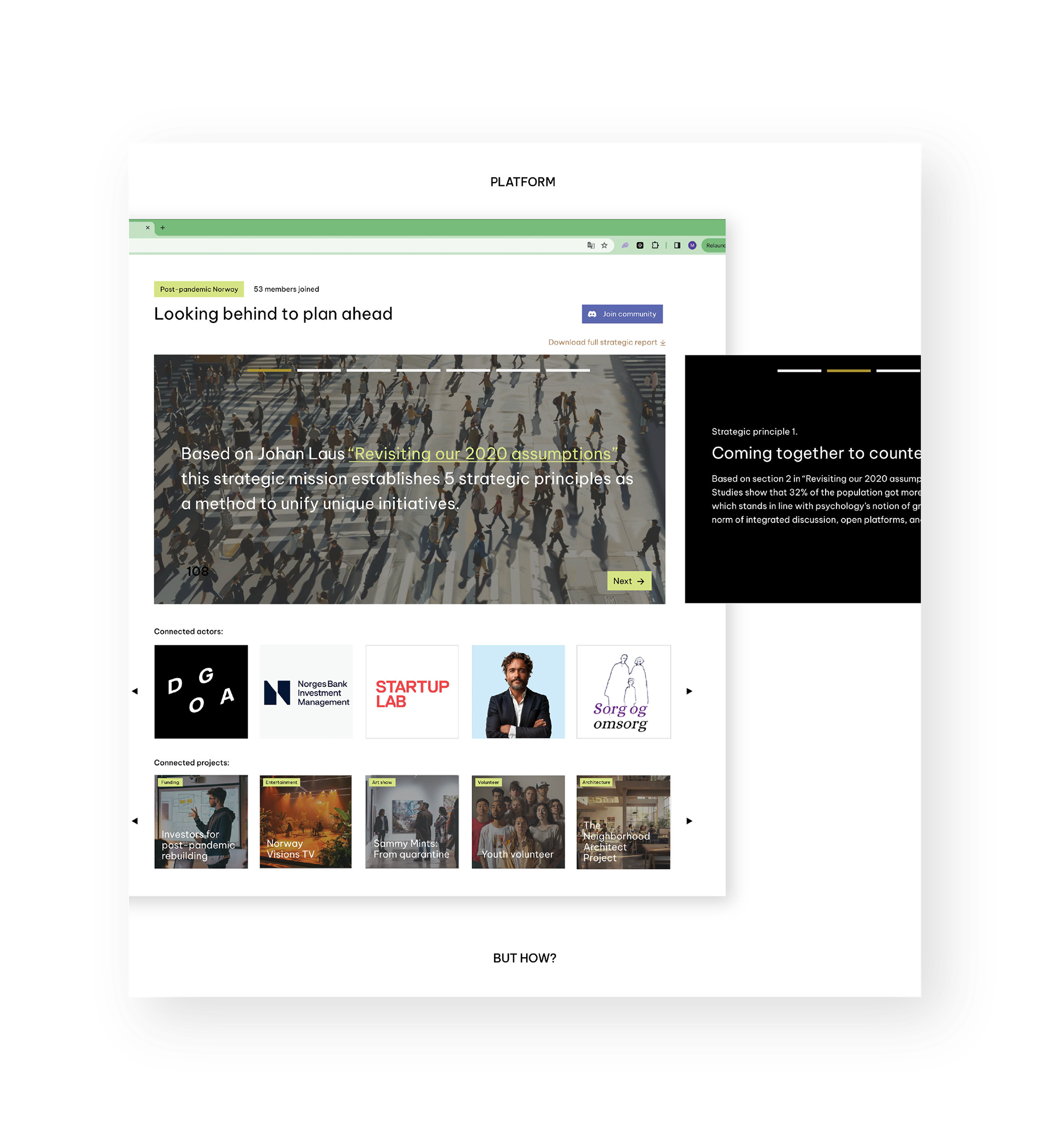
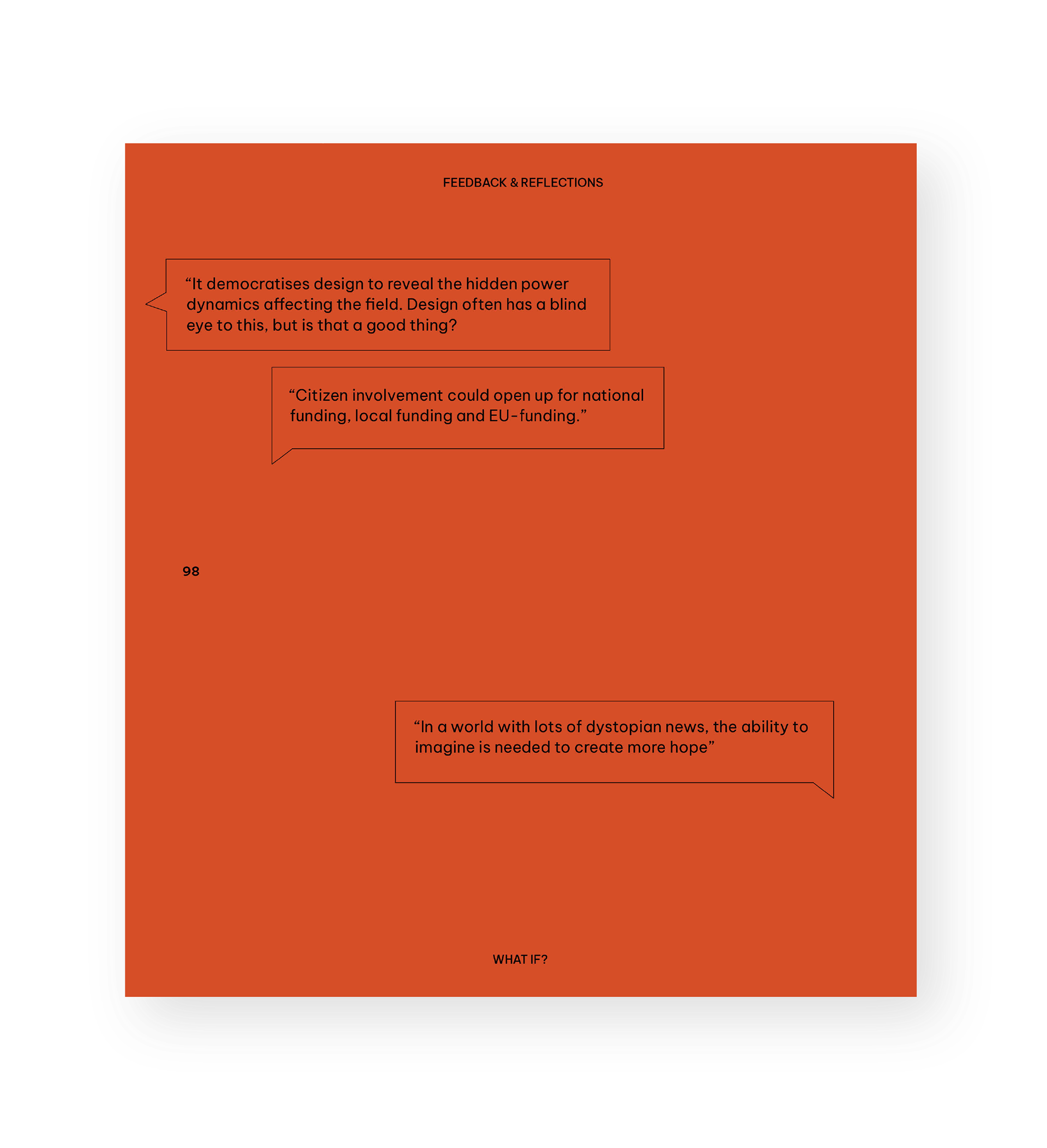
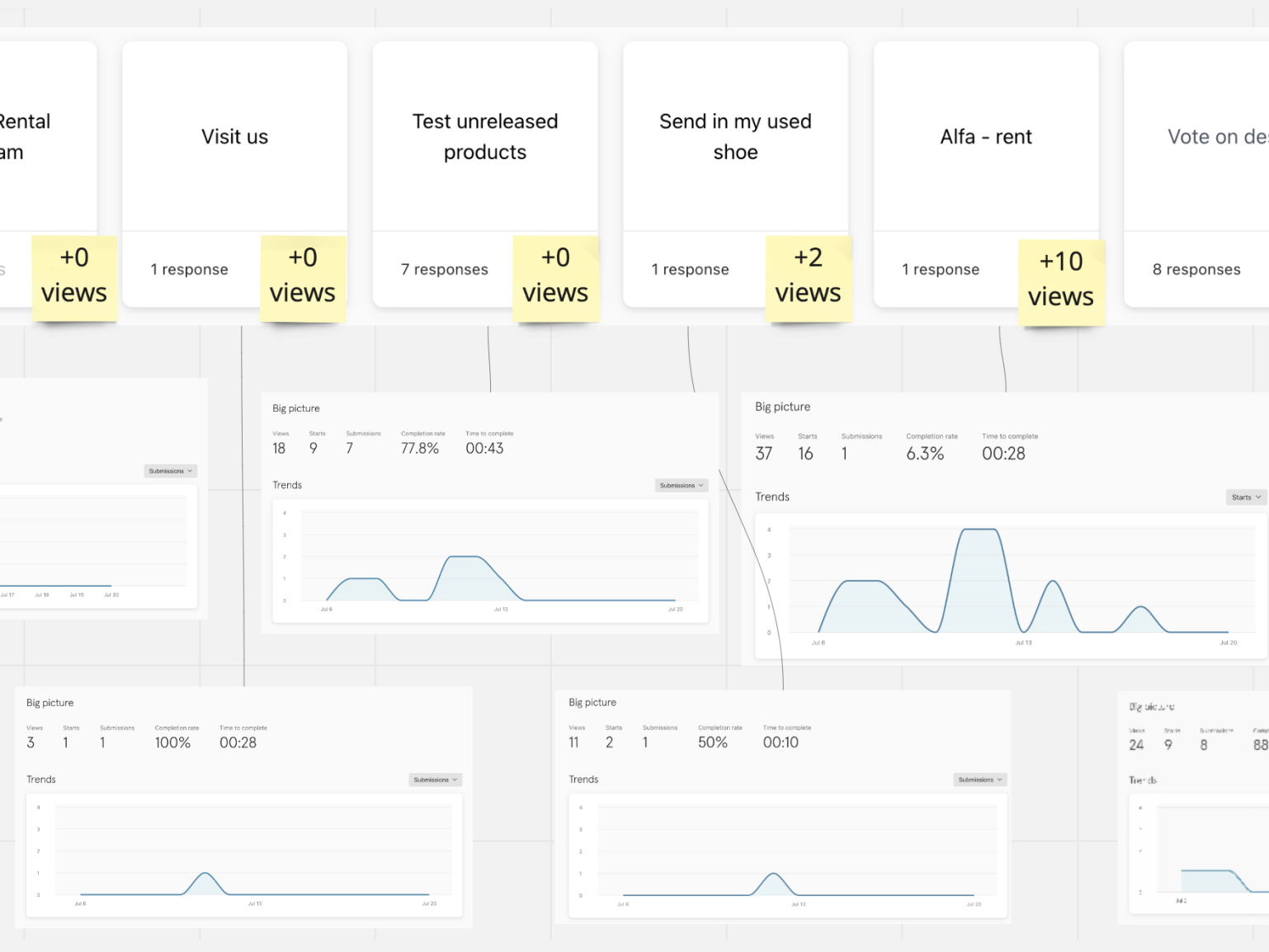
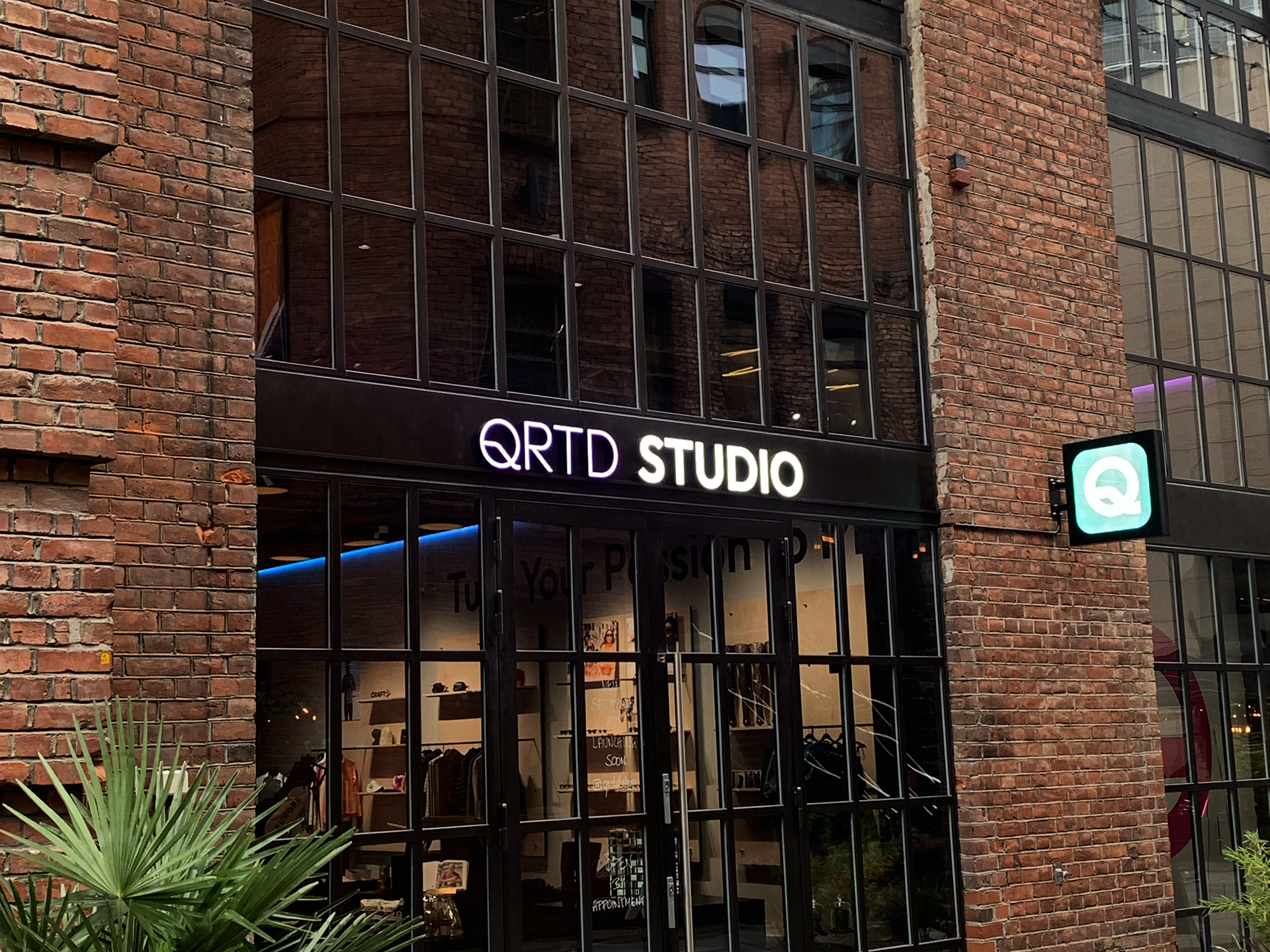
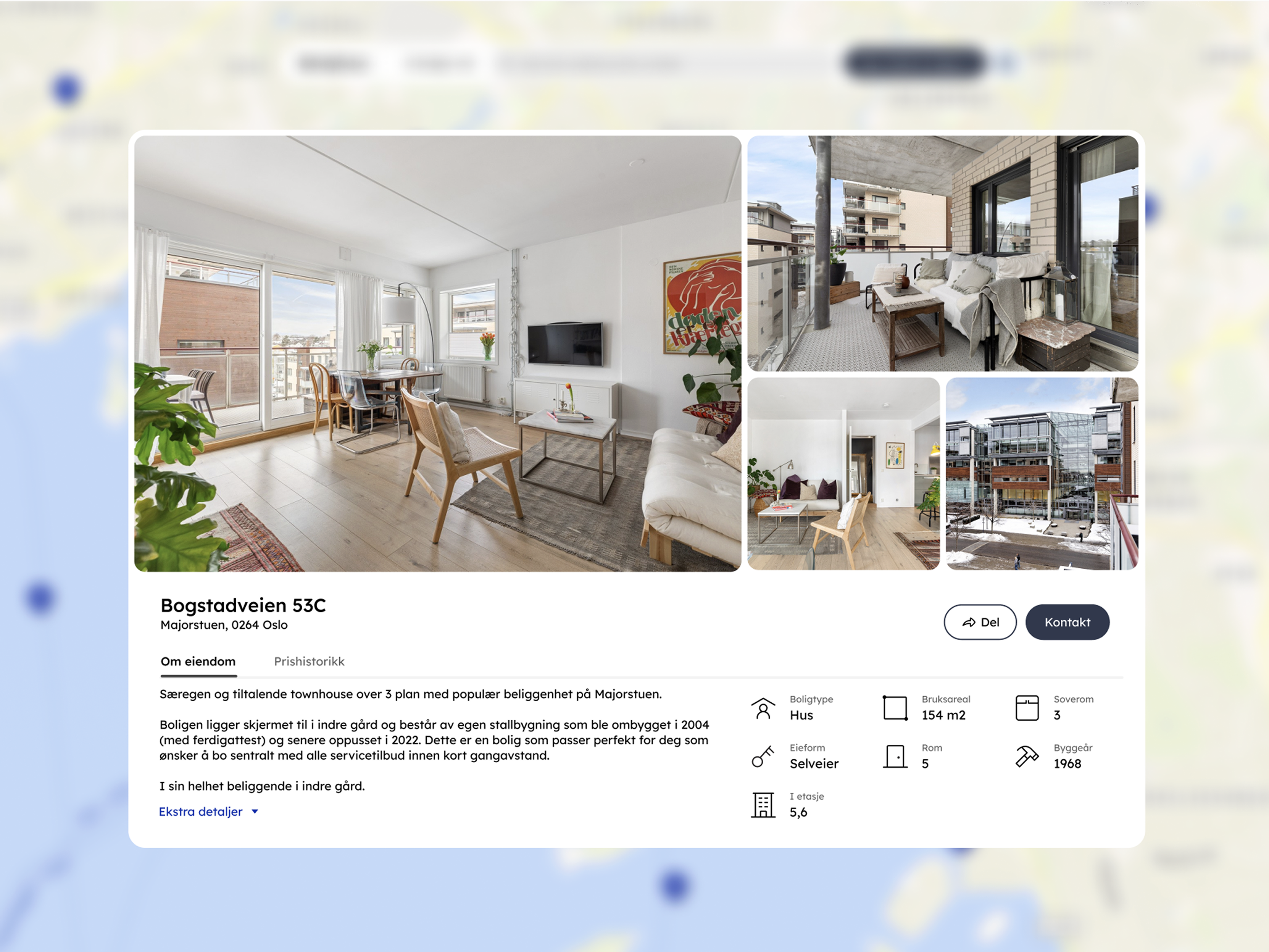
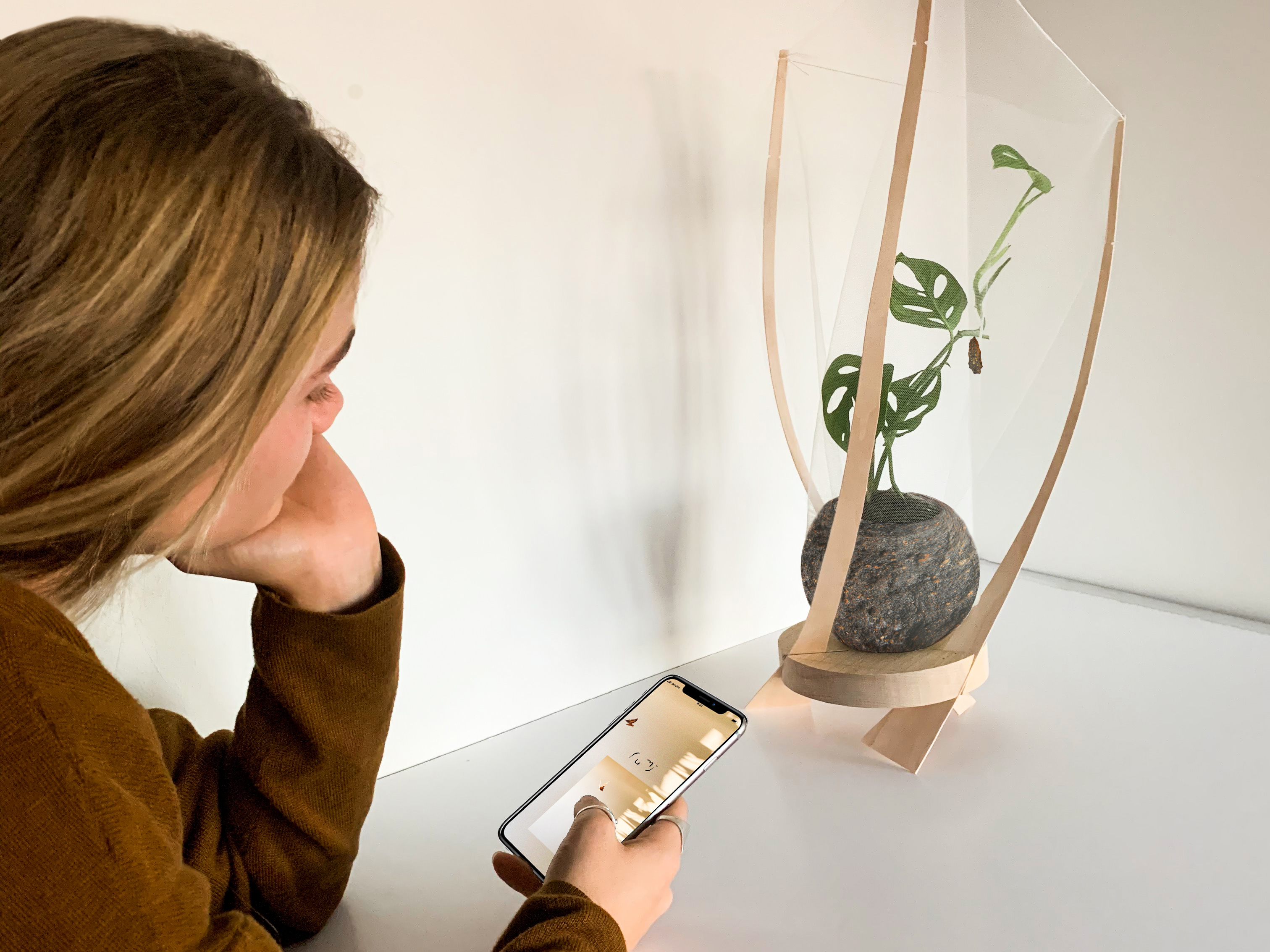
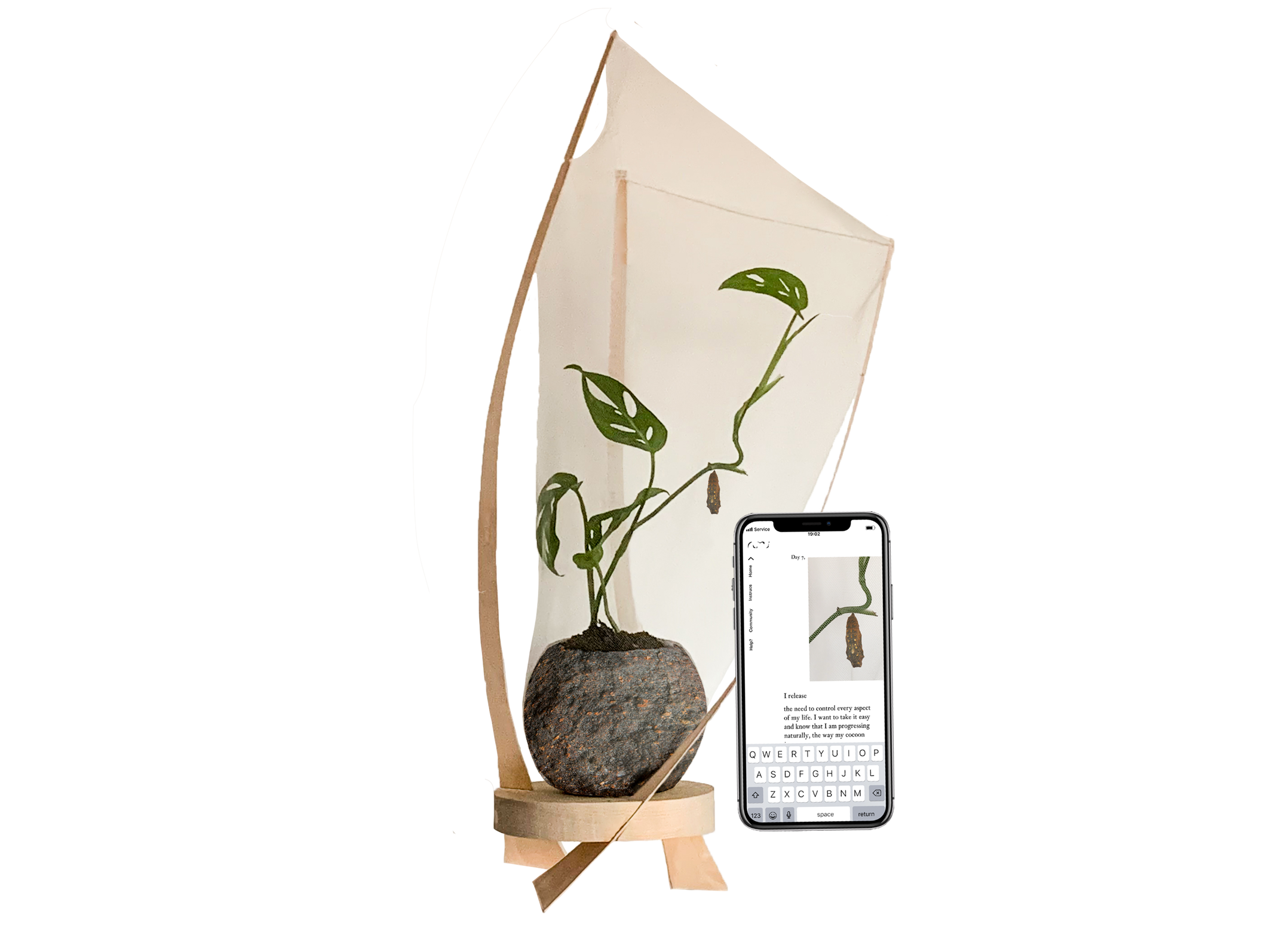
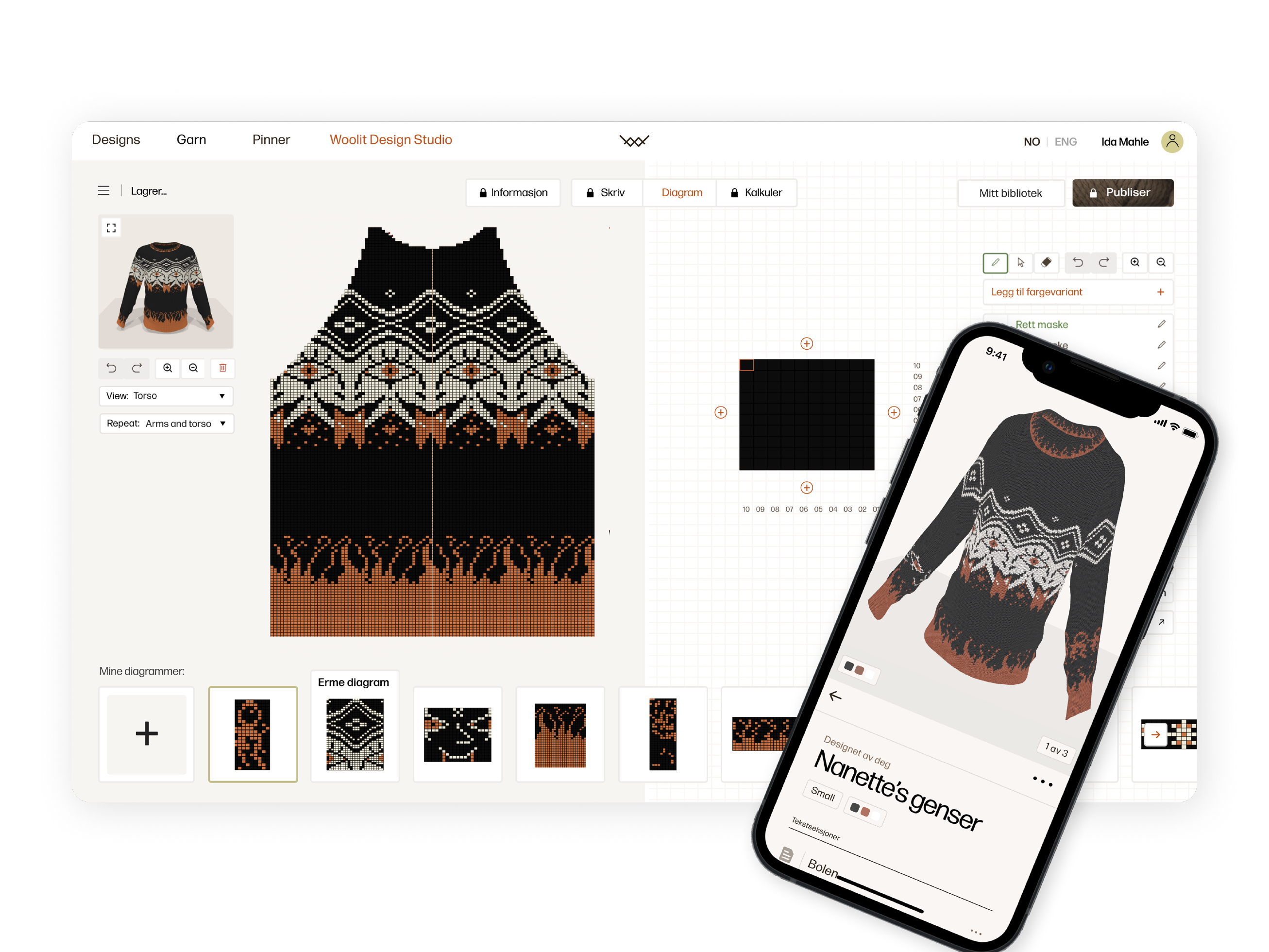
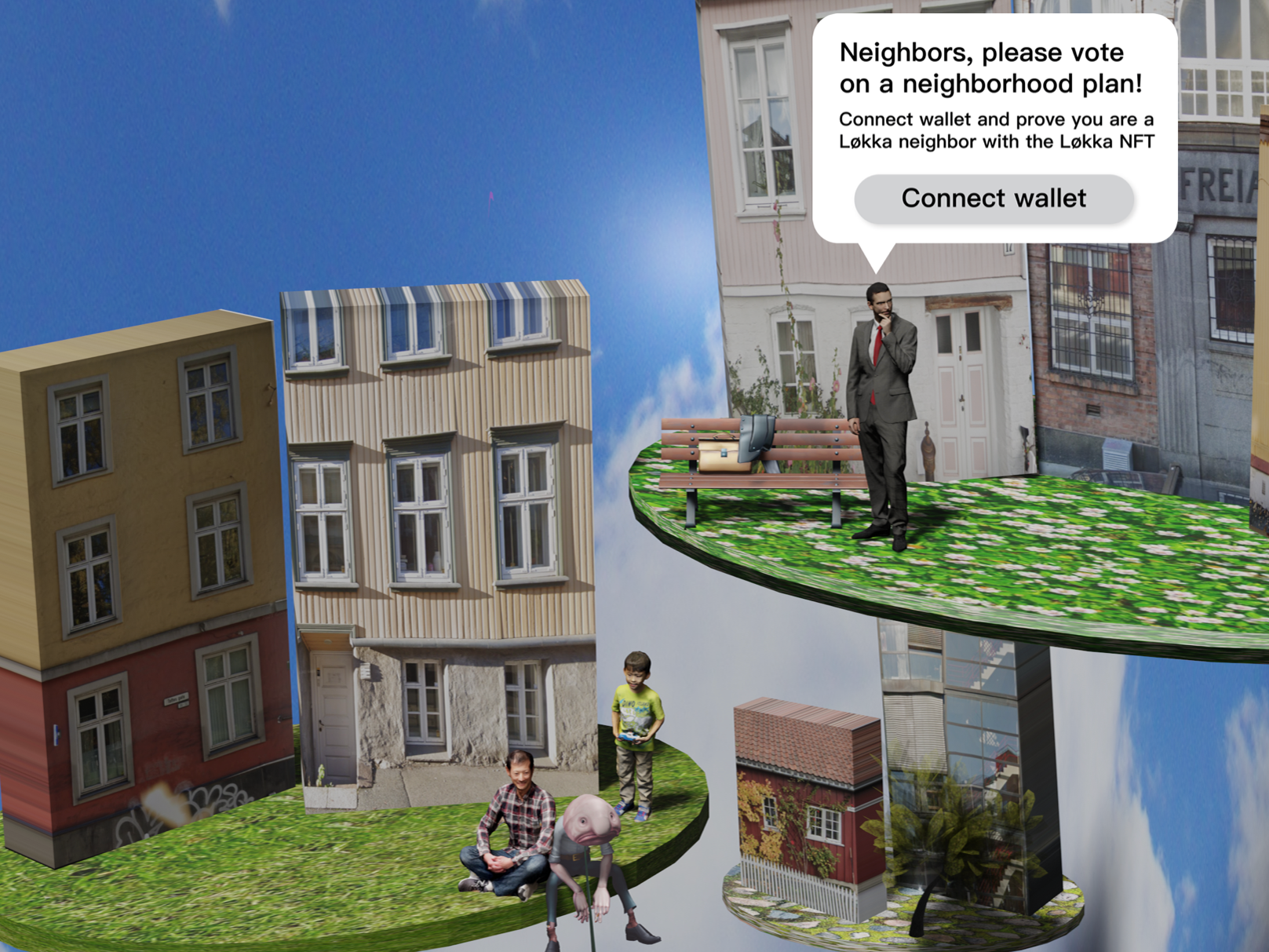
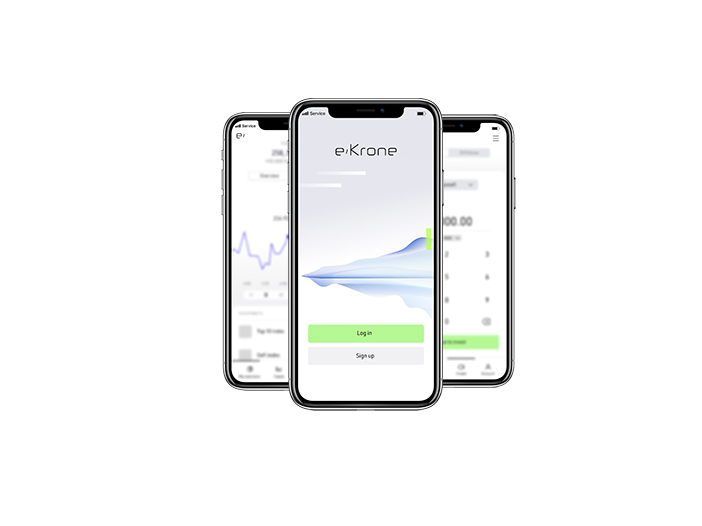
We placed all our ideas within one of these categories and expanded upon them. Some of these ideas refer to potentials for current day implementation whilst some are more of a "North Star" meant to inspire and show what could be possible with time. The images above are only a preview of some of these ideas, but please refer to our full project report here if curious to learn more. Here you can also read about the insight we got from sharing these ideas with experts within the design field.
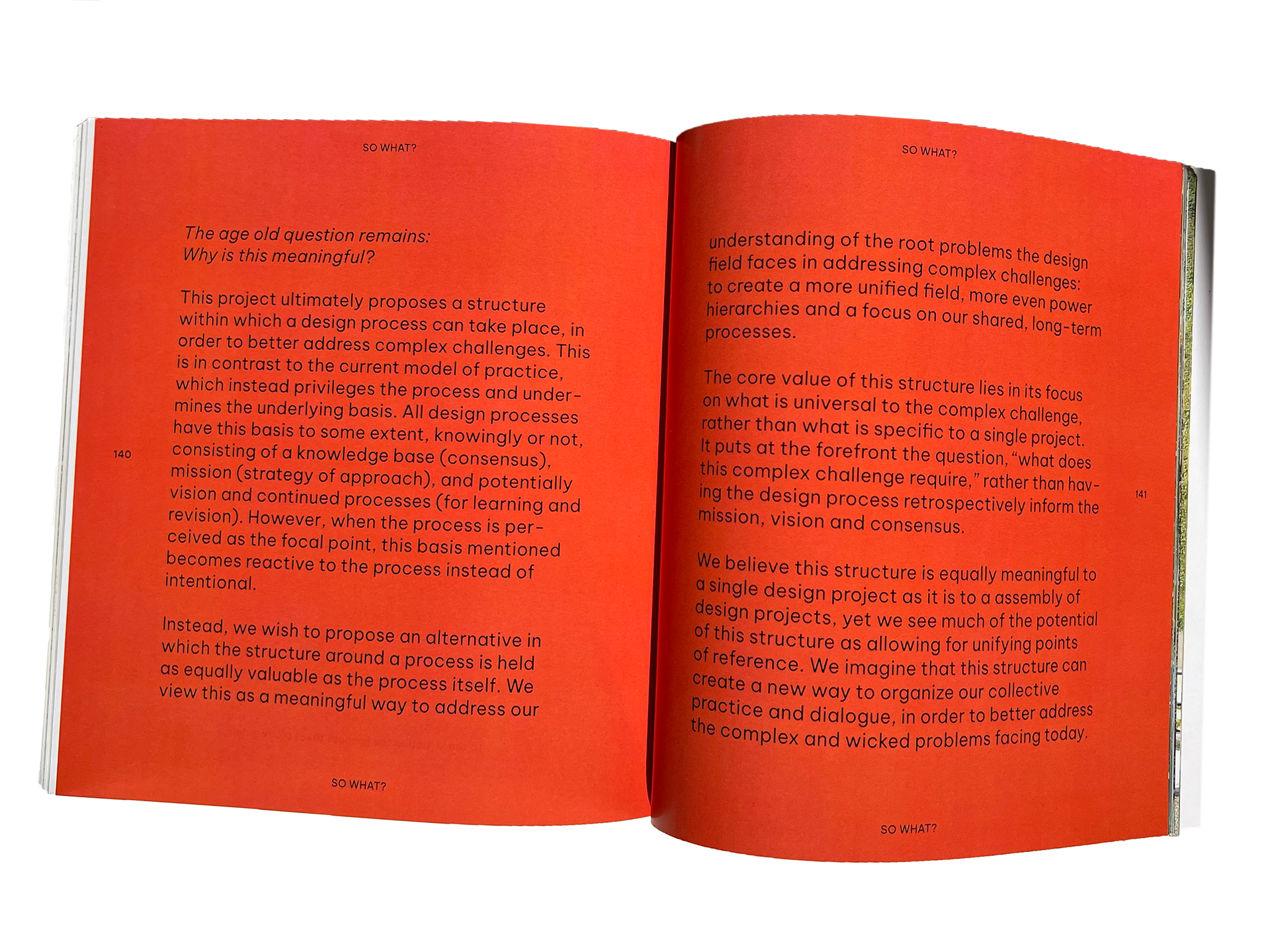
Finally, the "so what" phase. Short and sweet, but still the most significant reflection of all.
Thanks for taking the time to explore our diploma project today.